Comparison
Check engine light solid vs flashing: what each means
Published
Short answer
A solid check engine light means the engine computer has stored a fault that needs attention soon, but the car is usually safe to drive to a shop. A flashing light means an active misfire severe enough to damage the catalytic converter. If it flashes, reduce load, avoid hard acceleration and stop driving as soon as you safely can, then read the codes.
Tools for this job
All 7 picks compared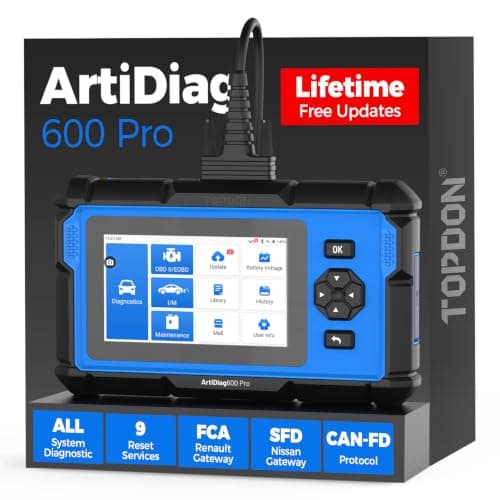
TOPDON ArtiDiag600 Pro: all systems, 9 services
See price on AmazonSee it on Amazon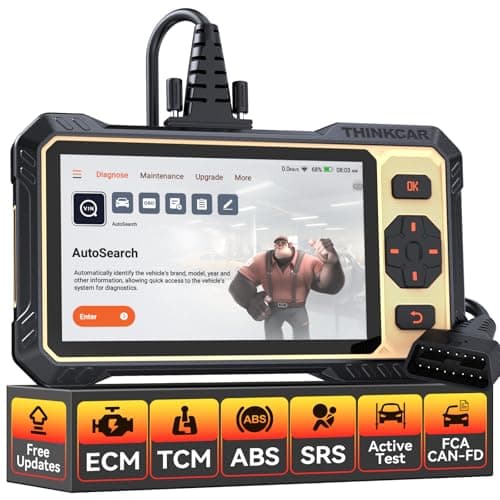
THINKCAR THINKSCAN 662: active tests under $200
See price on AmazonSee it on Amazon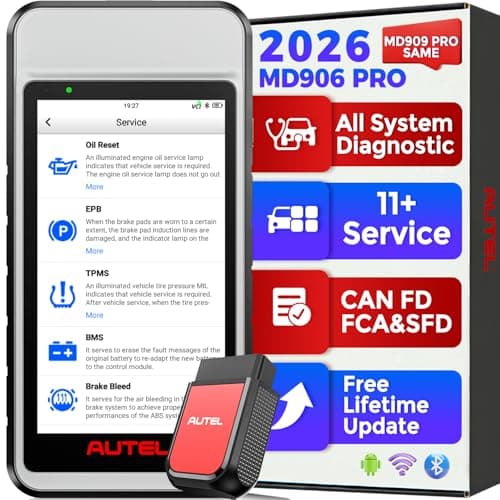
Autel MaxiDiag MD906 PRO: all systems, 11 services
See price on AmazonSee it on Amazon
This page is for drivers who just saw the check engine light come on and want to know how worried to be. The difference between a solid and a flashing light is the single most important thing the dashboard tells you about urgency. We explain what each state means, why a flashing light is treated as urgent, what to do in the next few minutes, and how to read the codes so you know what you are dealing with. If you want the broader picture, start with why is my check engine light on.
Solid vs flashing at a glance
The check engine light, also called the malfunction indicator lamp, is controlled by the engine computer under OBD2 rules. It has two warning states, and they mean very different things.
- Check engineP codes
- ABSC codes
- Airbag / SRSB codes
- Tire pressureTPMS
- Battery / chargingCharging
- NetworkU codes
| Solid light | Flashing light | |
|---|---|---|
| What it means | A fault was detected and a code was stored | An active misfire is happening now, severe enough to harm the catalytic converter |
| Urgency | Fix soon | Stop driving soon |
| Can you keep driving? | Usually, if the car runs normally and no other warnings are on | Only gently and only as far as needed to stop safely |
| Common codes | Many, such as EVAP leaks, O2 sensors, catalyst efficiency | Misfire codes P0300 to P0308 |
| Main risk | Fault getting worse, failed inspection, poor fuel economy | Overheated catalytic converter, possible engine damage |
What a solid check engine light means
A solid light means the computer has seen a problem that affects emissions or engine control, confirmed it according to its rules and stored a diagnostic trouble code. It can be something as minor as a loose gas cap causing an EVAP leak code or as significant as a failing sensor that affects fuel delivery. The light alone does not tell you which.
If the car drives normally, temperature and oil pressure are normal and no other warning lights are on, it is usually reasonable to drive it to get the codes read. Do not ignore it for months, though. Small problems like a vacuum leak can lead to bigger ones, and the car will fail an emissions test while the light is on. Read more in can you drive with the check engine light on and check engine light on but car runs fine.
What a flashing check engine light means
A flashing light means the computer is detecting a misfire right now, at a rate high enough to damage the catalytic converter. When a cylinder misfires, unburned fuel goes into the exhaust and burns inside the converter. That can overheat it quickly, melting the internal structure and turning a misfire repair into a much more expensive converter replacement. A severe misfire can also wash oil off the cylinder wall or point to a mechanical problem.
Common causes include a failed ignition coil or spark plug, a clogged or leaking fuel injector, a large vacuum leak, low fuel pressure, or low compression in one cylinder. The codes tell you which cylinder is affected. P0300 means random or multiple cylinder misfire, and P0301 through P0308 point to a specific cylinder. See our guides to P0300 and P0301.
Note.If the light is flashing, ease off the throttle, avoid towing or climbing hills, and stop as soon as it is safe. If you smell fuel, see smoke or the engine shakes badly, turn it off and have the car towed.
What to do if the light is flashing
Sometimes the light flashes only under heavy load and goes solid when you back off. That still means the engine misfired badly enough to risk the converter, so treat it the same way. Our guide on how to read OBD2 codes explains what you will see on the scanner.
- 1
Reduce engine load right away: ease off the gas, avoid hard acceleration and turn off the A/C.
- 2
Find a safe place to stop and turn the engine off.
- 3
Read the codes with an OBD2 scanner and save the freeze frame before clearing anything.
- 4
If the code points to one cylinder, check the coil, plug and injector on that cylinder first. Swapping a coil to another cylinder and seeing if the misfire moves is a common first test.
- 5
If you cannot find or fix the cause, have the car towed or driven the shortest possible distance to a shop.
What to do if the light is solid
Do not just clear the code and hope. If the fault is still there, the light returns, and clearing it also resets the readiness monitors your state's emissions test checks. See how to clear the check engine light for when clearing makes sense.
- 1
Check the gas cap if you just refueled. Tighten it until it clicks. See check engine light after getting gas.
- 2
Read the codes and freeze frame with a scanner, or have a parts store or shop read them.
- 3
Look up each code and start with the simplest likely cause. Our code decoder gives the standard definition.
- 4
Repair the cause, clear the code and complete a drive cycle so the monitors confirm the fix.
Why you should own a scanner
A basic OBD2 scanner pays for itself the first time it tells you a solid light is a loose gas cap or confirms which cylinder is misfiring. Scanners with live data let you watch misfire counters on many vehicles, check fuel trims and see whether a repair worked before you clear the code. A bidirectional tool goes further, letting you command parts like injectors or fuel pumps to test them.
Our best OBD2 scanner for DIY mechanics guide covers tools for most drivers, and the bidirectional scan tool guide covers tools for deeper testing. If you are not sure which type you need, read OBD2 scanner vs code reader.
Frequently asked questions
Why is my check engine light blinking? A blinking or flashing light means an active engine misfire severe enough to damage the catalytic converter. Reduce load and stop driving soon, then read the codes.
How far can I drive with a flashing check engine light? As little as possible. Drive gently only as far as needed to stop safely or reach a nearby shop. Every mile of heavy misfiring adds heat to the converter.
Can a flashing light turn solid on its own? Yes. If the misfire becomes less severe or only happens under load, the light may go solid. The misfire code stays stored, and the cause still needs fixing.
Is a solid check engine light an emergency? Usually not, but get the codes read soon. If the car runs poorly, overheats or shows low oil pressure, stop and get help.
What you need for this
- See price on AmazonAmazon
TOPDON ArtiDiag600 Pro: all systems, 9 services
From Best OBD2 scanners for DIY mechanics who fix their own cars
 See price on AmazonAmazon
XTOOL D7S: CAN FD for newer GM, crankshaft relearn
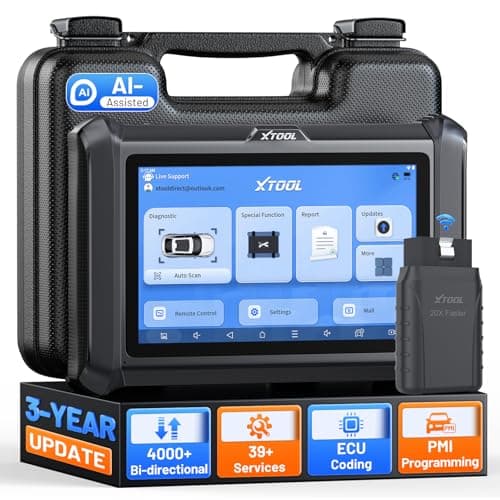 See price on AmazonAmazon
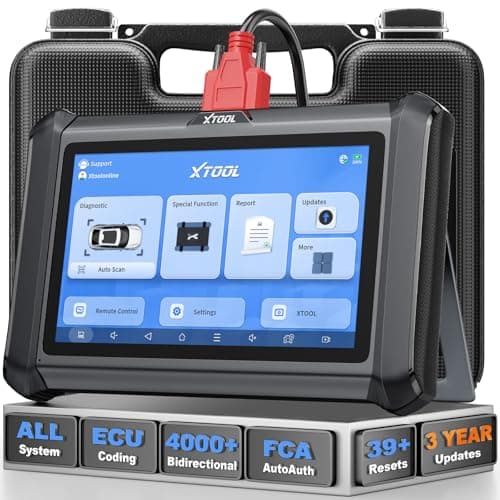
XTOOL D7W: WiFi VCI, 4000+ active tests