Explainer
Freeze frame data explained: what the snapshot tells you
Published
Short answer
Freeze frame data is a snapshot of key sensor readings that the engine computer saves at the moment it sets a trouble code. It typically includes engine RPM, load, coolant temperature, vehicle speed, and fuel trims. It tells you the conditions when the fault happened, which helps you reproduce and diagnose it. Clearing codes erases it, so record it first.
Tools for this job
All 7 picks compared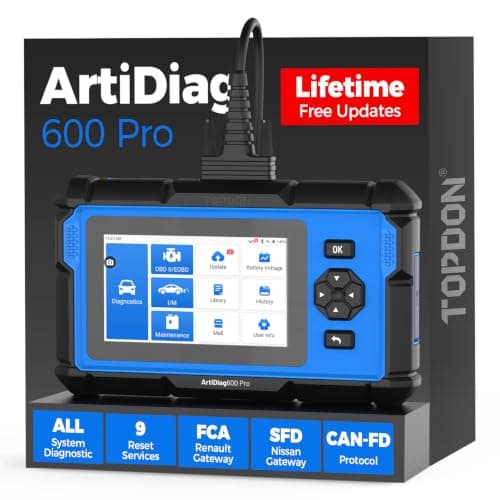
TOPDON ArtiDiag600 Pro: all systems, 9 services
See price on AmazonSee it on Amazon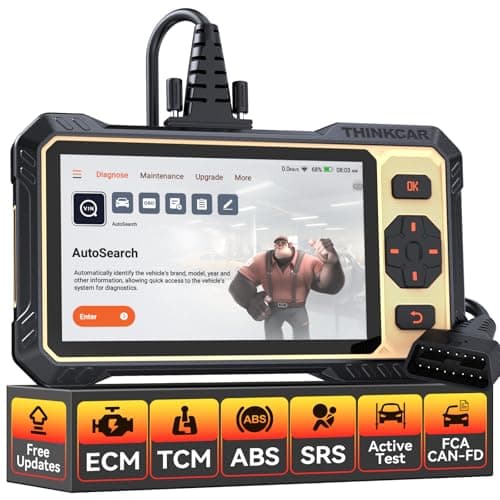
THINKCAR THINKSCAN 662: active tests under $200
See price on AmazonSee it on Amazon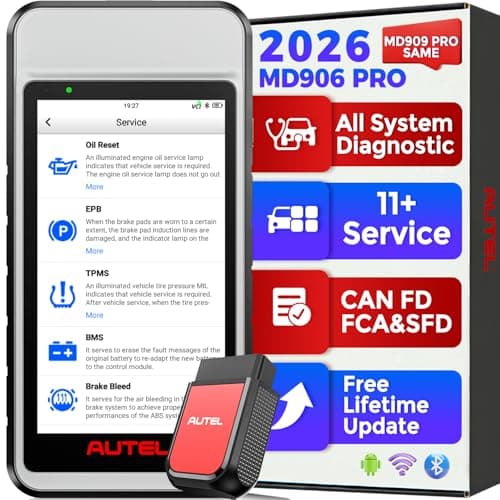
Autel MaxiDiag MD906 PRO: all systems, 11 services
See price on AmazonSee it on Amazon
Most people read the code and stop there. Freeze frame data is the part that tells the story behind the code: was the engine cold or warm, idling or on the highway, running lean or rich? This page explains what freeze frame is, what each common value means, how to read it with an OBD2 scanner, and practical examples of how it points to the cause of codes like misfires, lean conditions, and EVAP leaks.
What freeze frame data is
When the engine computer confirms an emissions-related fault, it stores the code and a set of parameter values captured at that moment. This record is called freeze frame data. OBD2 requires it, so any OBD2 scanner can read it through the standard port. It is usually stored for the first code that sets, and on most vehicles a misfire or fuel system code can replace an earlier freeze frame because those faults have priority.
Some manufacturer-level scan tools show additional snapshots, sometimes called failure records, with more data or more than one event. Generic freeze frame is the common baseline every scanner can read.
Freeze frame is most useful for faults you cannot see in the driveway. If a code set on the highway on a hot day, idling in the garage will not reproduce it. The snapshot tells you which conditions to recreate on a test drive so you can watch live data at the right moment.
Common freeze frame values and what they mean
The exact list varies by vehicle and scanner, but these values appear on most cars. Learn more about fuel trims with the fuel trim reader and in fuel trims explained.
| Parameter | What it tells you |
|---|---|
| DTC that stored the frame | Which code triggered the snapshot |
| Fuel system status | Open loop (warming up or heavy load) or closed loop (normal) |
| Calculated engine load | How hard the engine was working |
| Engine coolant temperature | Cold start or fully warm |
| Short and long term fuel trim | How much fuel the computer was adding or removing |
| Intake manifold pressure or MAF | Airflow into the engine |
| Engine RPM | Idle, cruise, or high revs |
| Vehicle speed | Parked, city, or highway |
| Intake air temperature | Ambient and under-hood conditions |
How to read freeze frame with a scanner
Freeze frame is usually under the same menu as the codes. Read it before you do anything else. If you are new to scan tools, see how to use an OBD2 scanner.
- 1
Connect the scanner with the ignition on.
- 2
Read codes and write them down.
- 3
Open the freeze frame or snapshot option.
- 4
Photograph or save the full list of values.
- 5
Note which code the frame belongs to.
- 6
Only then start diagnosis or clear codes.
Note.Clearing codes or disconnecting the battery erases freeze frame data. Record it first.
Using freeze frame to diagnose: examples
Lean code at idle vs at speed. A P0171 lean code with high positive fuel trims at idle that improve at higher RPM often points toward a vacuum leak, because a leak has a bigger effect at low airflow. If the lean condition shows mainly under high load, fuel delivery or a dirty MAF sensor become more likely. That pattern is a guide, not a verdict, so confirm with live data.
Misfire when cold. A P0300 random misfire that set with a low coolant temperature suggests a cold-start issue. A misfire that set at highway speed and high load points more toward ignition parts under stress, such as coils or plugs.
Thermostat code. For P0128, the coolant temperature and drive time in the snapshot help confirm that the engine was not warming up as expected.
EVAP codes. For EVAP codes such as P0456, the snapshot often shows the car at idle or just after a cold soak, since many leak tests run then. It mainly confirms when the test ran.
Limits of freeze frame data
Freeze frame is one moment in time. It does not show what happened before or after, and it does not show every sensor. It also belongs to one code, which may not be the root cause if several codes are present. Use it to decide where to look and how to reproduce the fault, then confirm with live data and tests.
If you want to watch the same values in real time or record a drive, look for a scanner with data graphing or recording. A Bluetooth scan tool with a phone app is one convenient way to log data while a passenger watches.
P powertrain, B body, C chassis, U network
0 generic (same on every car), 1 set by the maker
For P codes: 4 means auxiliary emission controls
The exact fault: here, catalyst efficiency, bank 1
Frequently asked questions
Does every code have freeze frame data? Not always. Generic OBD2 freeze frame is usually stored for one emissions-related code, often the first or highest priority one. Pending codes may or may not have a frame, depending on the vehicle.
Can freeze frame tell me which part to replace? No. It tells you the conditions when the fault set. You still need to test the suspected parts.
Is freeze frame erased when the light turns off by itself? It depends on the vehicle. It is always erased when you clear codes with a scanner.
Can a basic code reader show freeze frame? Many can, but not all. Check the listing for freeze frame support before buying.
What you need for this
- See price on AmazonAmazon
TOPDON ArtiDiag600 Pro: all systems, 9 services
From Best OBD2 scanners for DIY mechanics who fix their own cars
 See price on AmazonAmazon
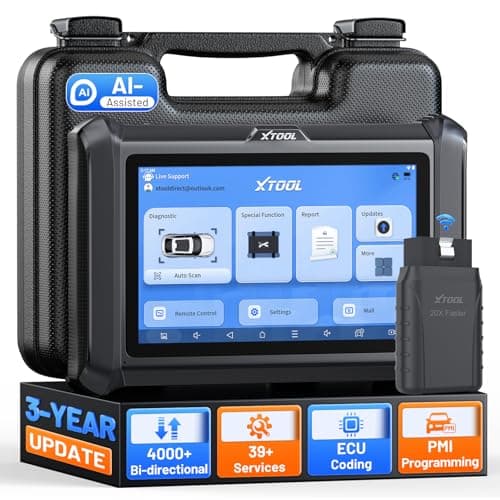
XTOOL D7W: WiFi VCI, 4000+ active tests