- System
- Powertrain
- Type
- Generic (SAE)
- Subsystem
- Fuel and air metering
- Urgency
- Fix soon
Trouble code
P0171 code: System too lean (bank 1)
Published
Short answer
P0171 means the engine computer is adding as much fuel as it is allowed to on bank 1 and the oxygen sensor still reads lean, meaning too much air for the fuel. The most common causes are vacuum leaks, a dirty or failing mass airflow (MAF) sensor, and low fuel pressure. Reading fuel trims at idle and at higher rpm usually tells you which one.
Scan tools that read P0171 and more
All 7 picks compared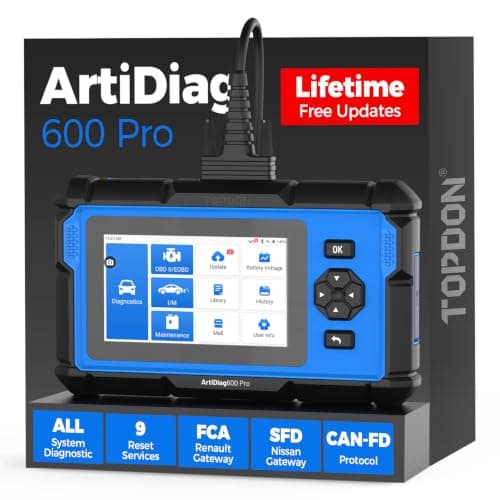
TOPDON ArtiDiag600 Pro: all systems, 9 services
See price on AmazonSee it on Amazon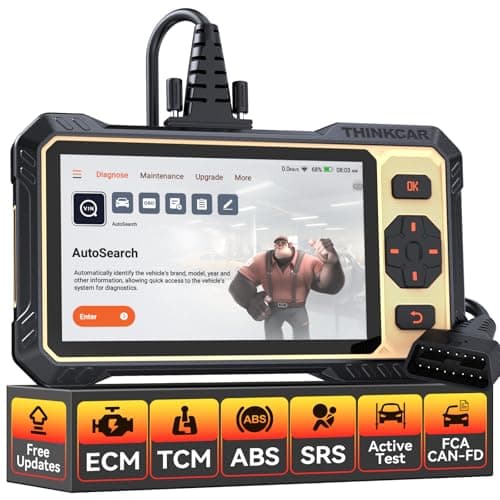
THINKCAR THINKSCAN 662: active tests under $200
See price on AmazonSee it on Amazon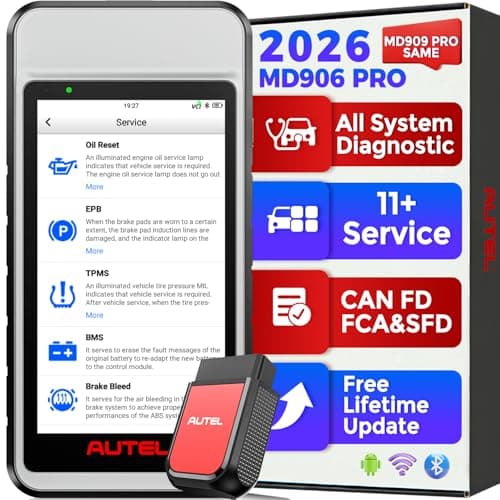
Autel MaxiDiag MD906 PRO: all systems, 11 services
See price on AmazonSee it on Amazon
This page is for anyone who pulled P0171 from their car and wants a clear way to find the cause. P0171 is a symptom code: it tells you the mixture is lean, not which part failed. The good news is that a scan tool with live data shows fuel trims, and the trims point you toward the right area. Below you will find what the code means, symptoms, a causes table, a step-by-step diagnosis using fuel trims, and answers to common questions.
What P0171 means
P0171 is the generic SAE code for System Too Lean (Bank 1). The PCM constantly adjusts fuel delivery based on the upstream oxygen sensor. Those corrections are called fuel trims: short term fuel trim (STFT) reacts quickly, and long term fuel trim (LTFT) learns over time. Positive trim means the PCM is adding fuel. When the total correction reaches the limit the manufacturer set and the mixture is still lean, the PCM sets P0171.
Bank 1 is the side of the engine with cylinder 1. On an inline four or inline six there is only one bank, so P0171 covers the whole engine. On a V6 or V8, if you see P0171 and P0174 together, the cause usually affects both sides, such as a MAF sensor, fuel pressure, or a large vacuum leak. If only P0171 is set on a V engine, look for something specific to bank 1. Our fuel trims explained article covers the basics in more detail.
Symptoms of P0171
Some cars show no drivability symptoms at all and only light the check engine lamp. That does not mean the problem is harmless, because a lean engine runs hotter and can misfire.
- Check engine light on
- Rough or unstable idle
- Hesitation or stumble on acceleration
- Lower power and fuel economy
- Hissing sound from the engine bay (vacuum leak)
- Misfire codes such as P0300 on severe cases
Common causes of P0171
Check the causes in this order. Vacuum leaks and the MAF sensor are common and cheap to test, so start there before replacing fuel parts.
| Cause | How to check | Typical fix |
|---|---|---|
| Vacuum leak (cracked hose, PCV hose, intake boot) | Listen for hissing; inspect hoses; smoke test the intake; trims high at idle but closer to normal at 2,500 rpm | Replace the leaking hose, boot or gasket |
| Dirty or failing MAF sensor | Compare MAF reading to expected values; trims lean across the rpm range | Clean with MAF cleaner or replace the sensor |
| Unmetered air after the MAF | Inspect the intake duct between MAF and throttle body for cracks or loose clamps | Replace the duct or tighten clamps |
| Exhaust leak before the upstream O2 sensor | Listen for ticking at cold start; inspect manifold and gaskets | Repair the exhaust leak |
| Low fuel pressure (weak pump, clogged filter, bad regulator) | Fuel pressure gauge or fuel pressure PID; trims get worse under load | Replace the failed fuel part |
| Restricted or leaking fuel injectors | Balance test or injector test per the service information | Clean or replace injectors |
| Intake manifold gasket leak | Smoke test or careful spray test | Replace the gasket |
How to diagnose P0171
You need a scanner that shows live data. Our fuel trim reader helps you interpret the numbers you see.
- 1
Read all codes and save the freeze frame data. Note rpm, load and fuel trims when the code set.
- 2
Warm up the engine. Record STFT and LTFT for bank 1 (and bank 2 on a V engine) at idle.
- 3
Hold the engine at about 2,500 rpm and record the trims again.
- 4
If trims are high at idle and drop toward normal at 2,500 rpm, suspect a vacuum leak. Inspect hoses and smoke test the intake.
- 5
If trims stay high at all rpm or get worse under load, suspect the MAF sensor or fuel delivery. Check MAF readings against the service information and test fuel pressure.
- 6
Check for an exhaust leak ahead of the upstream O2 sensor, which can pull in air and fool the sensor.
- 7
After the repair, clear the code and watch trims return closer to zero. Confirm the fix with a drive cycle.
Note.Fuel pressure testing involves pressurized gasoline. Work in a ventilated area, keep sparks and flames away, wear eye protection, and follow the service information for relieving pressure. If you are not comfortable, have a professional do it.
How to fix P0171
Fix what the testing points to. A cracked PCV or vacuum hose is a common and inexpensive repair. Cleaning a contaminated MAF sensor with spray made for MAF sensors sometimes solves the problem; if it does not, the sensor may need replacement. Low fuel pressure means testing the pump, filter and regulator before replacing anything. Avoid replacing O2 sensors first: the sensor reading lean is usually reporting a real lean condition, not causing it.
After the repair, clear the code and check that long term trims settle back toward zero over the next few drives.
Can you drive with P0171?
Usually yes for a short time, but fix it soon. A lean engine runs hotter, which can lead to misfires, and misfires can damage the catalytic converter. If the check engine light starts flashing, the engine is misfiring badly and you should stop driving and get it checked. See solid vs flashing check engine light.
Related codes
P0174 is the same lean condition on bank 2. P0172 is the opposite, a rich condition on bank 1. P0101 points to the MAF sensor range or performance, and P0300 is a random misfire that can follow a lean condition. Use the code decoder to look up any other code.
Frequently asked questions
What is the most common cause of P0171? Vacuum leaks and a dirty or failing MAF sensor are the most common causes on many vehicles. Fuel trims at idle versus higher rpm help you tell them apart.
Can a bad O2 sensor cause P0171? It can, but it is less common than people think. Most of the time the O2 sensor is correctly reporting a lean mixture. Rule out air leaks, the MAF sensor and fuel pressure first.
Will cleaning the MAF sensor fix P0171? Sometimes. If the sensor is contaminated it under-reports airflow, and the engine runs lean. Use a cleaner made for MAF sensors, never touch the sensing element, and let it dry before reinstalling.
What fuel trim numbers are normal? Trims near zero are ideal, and small swings in either direction are normal. Large positive long term trims point to a lean problem. The exact limit that sets the code varies by manufacturer.
What you need for this
- See price on AmazonAmazon
TOPDON ArtiDiag600 Pro: all systems, 9 services
From Best OBD2 scanners for DIY mechanics who fix their own cars
 See price on AmazonAmazon
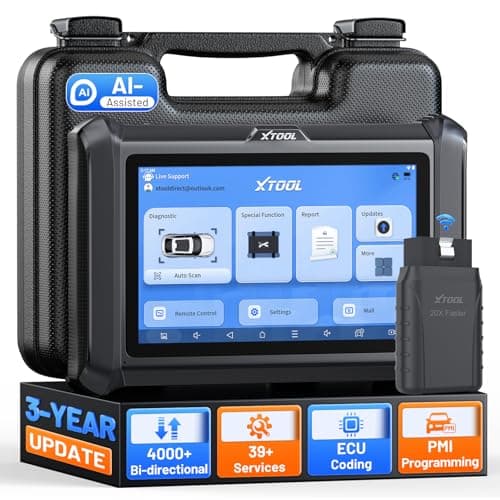
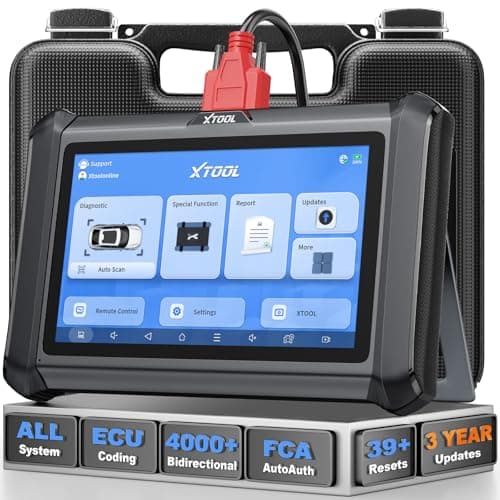
XTOOL D7W: WiFi VCI, 4000+ active tests
 See price on AmazonAmazon
XTOOL D7S: CAN FD for newer GM, crankshaft relearn