Explainer
Fuel trims explained: short term, long term and what's normal
Published
Short answer
Fuel trim is the percentage the engine computer adds or removes from its base fuel amount to keep the air fuel mixture correct. Short term fuel trim (STFT) changes quickly based on oxygen sensor readings. Long term fuel trim (LTFT) is the learned correction that carries over. Positive numbers mean the computer is adding fuel because it sees lean. Negative means it is removing fuel because it sees rich. Totals close to zero are ideal, and totals within about plus or minus 10 percent are generally considered normal.
Tools for this job
All 7 picks compared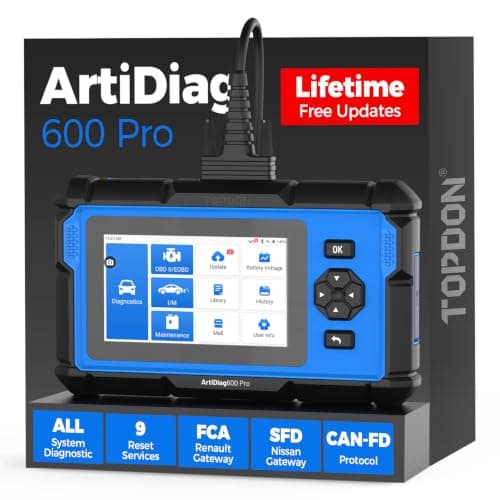
TOPDON ArtiDiag600 Pro: all systems, 9 services
See price on AmazonSee it on Amazon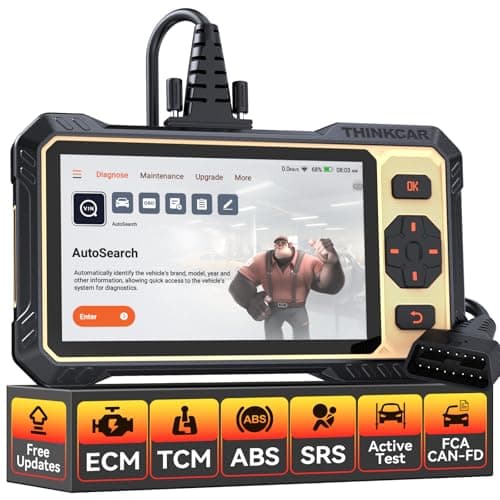
THINKCAR THINKSCAN 662: active tests under $200
See price on AmazonSee it on Amazon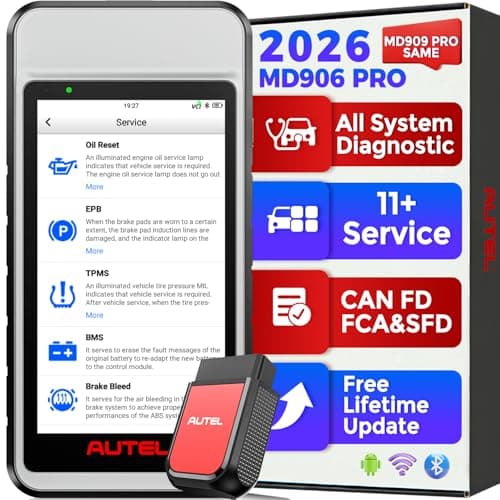
Autel MaxiDiag MD906 PRO: all systems, 11 services
See price on AmazonSee it on Amazon
This page is for DIYers who have a lean or rich code such as P0171, P0174 or P0172, or who simply want to understand one of the most useful numbers in live data. Fuel trims show how hard the engine computer is working to correct the mixture. Read correctly, they tell you whether you are chasing a vacuum leak, a fuel delivery problem or a sensor reading off. Use our fuel trim reader to enter your numbers and get a plain English read.
What fuel trim is
The engine computer calculates how much fuel to inject based on airflow, engine speed and other inputs. Then it checks the upstream oxygen sensor to see if the result is lean or rich. If the sensor says lean, it adds fuel. If it says rich, it takes fuel away. That correction is fuel trim, shown as a percentage.
Fuel trim only works in closed loop, after the engine and oxygen sensors are warm. In open loop, such as right after a cold start or at wide open throttle, the computer ignores the sensor and trims stay at or near fixed values.
Short term vs long term fuel trim
Short term fuel trim (STFT) reacts in fractions of a second. With a narrowband upstream sensor it swings back and forth around zero as the sensor switches between lean and rich. This is normal.
Long term fuel trim (LTFT) is the learned average. If STFT keeps leaning one way, the computer moves LTFT in that direction so STFT can return toward zero. LTFT is stored in memory and is erased when you clear codes or, on many cars, disconnect the battery.
Add them together for the total fuel trim. That total is what tells you how far off the base mixture is. If LTFT is plus 12 and STFT is plus 3, the computer is adding about 15 percent fuel.
| Total trim | What it means | What to check |
|---|---|---|
| Near 0 (about plus or minus 5) | Mixture on target | Nothing, this is ideal |
| Plus or minus 5 to 10 | Mild correction | Usually normal, watch it |
| Over plus 10 | Computer adding fuel, sees lean | Vacuum leaks, MAF, fuel pressure, exhaust leak before sensor |
| Under minus 10 | Computer removing fuel, sees rich | Leaking injector, high fuel pressure, purge valve, MAF reading high |
| Near the limit (often around plus or minus 25) | Correction maxed out | Lean or rich code likely, such as P0171 or P0172 |
Note.Exact limits for setting codes vary by manufacturer. Treat the numbers above as general rules of thumb, not fixed thresholds.
Use idle vs cruise to narrow it down
One of the most useful tests is comparing trims at idle with trims at about 2,500 rpm or a steady cruise. Do it with a warm engine and the scanner showing STFT and LTFT for each bank.
- Lean at idle, close to normal at higher rpm: classic vacuum leak. A small leak is a big share of total airflow at idle but a tiny share at higher rpm. Check intake hoses, PCV hoses, brake booster line and intake gaskets.
- Lean everywhere or worse under load: fuel delivery. Think weak fuel pump, clogged filter, failing pressure regulator or restricted injectors.
- Lean everywhere, roughly the same: the MAF sensor may be reading low. A dirty MAF is a common cause.
- Rich at idle: look at a purge valve stuck open, a leaking injector or high fuel pressure.
- Only one bank off on a V engine: the problem is on that side, such as a vacuum leak at that bank's intake gasket or an exhaust leak ahead of that sensor.
Fuel trims and common codes
When total trim stays near the correction limit, the computer sets a fuel system code. P0171 and P0174 mean system too lean on bank 1 and bank 2. P0172 means system too rich on bank 1. Misfires such as P0300 can also appear with a lean condition. Unburned oxygen from a misfiring cylinder makes the oxygen sensor read lean, so the computer adds fuel even though the real problem is ignition.
Freeze frame data stores fuel trims at the moment the code set. Comparing those numbers with live data during a test drive is a fast way to confirm a repair. See freeze frame data explained.
How to read fuel trims with a scanner
Any scanner that shows live data can read fuel trims. A tool that can graph several values at once makes the swings much easier to see. Our guide to the best OBD2 scanners for DIY mechanics covers tools with graphing, and the wireless Bluetooth scan tool guide covers phone and tablet options.
- 1
Warm the engine fully so it enters closed loop.
- 2
Open live data and select STFT and LTFT for bank 1 and bank 2, plus rpm and coolant temperature.
- 3
Record the numbers at idle.
- 4
Hold about 2,500 rpm in park or neutral, or cruise steadily, and record again.
- 5
Enter the numbers into the fuel trim reader and compare the pattern with the list above.
Frequently asked questions
What is a normal long term fuel trim? Close to zero is ideal. Values within about plus or minus 10 percent are generally considered normal on a healthy engine.
Is positive fuel trim lean or rich? Positive means the computer is adding fuel because the oxygen sensor reads lean. Negative means it is removing fuel because it reads rich.
Why does short term fuel trim jump around? It reacts to every switch of the upstream oxygen sensor. Fast swings around zero are normal. What matters is where the average sits.
Does clearing codes reset fuel trims? On most vehicles, yes. Long term fuel trim returns to zero and relearns over the next drives.
What you need for this
- See price on AmazonAmazon
TOPDON ArtiDiag600 Pro: all systems, 9 services
From Best OBD2 scanners for DIY mechanics who fix their own cars
 See price on AmazonAmazon
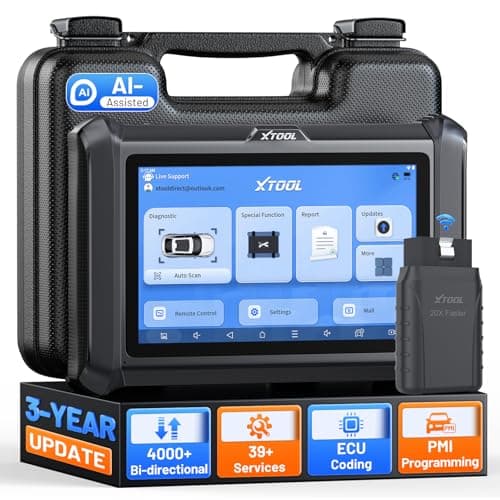
XTOOL D7W: WiFi VCI, 4000+ active tests
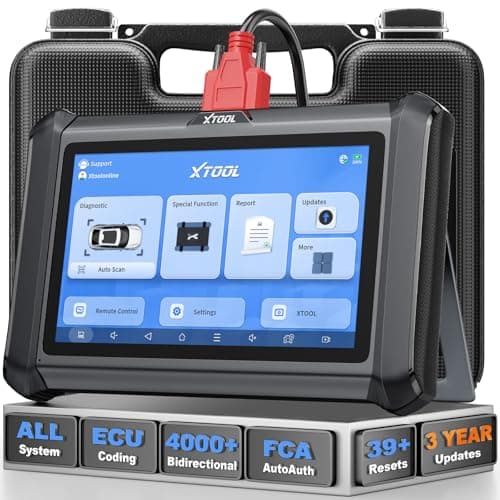 See price on AmazonAmazon
XTOOL D7S: CAN FD for newer GM, crankshaft relearn