- System
- Powertrain
- Type
- Generic (SAE)
- Subsystem
- Auxiliary emission controls (EGR, EVAP, catalyst, secondary air)
- Urgency
- Drive carefully
Trouble code
P0456 code: Evaporative emission system small leak detected
Published
Short answer
P0456 means the engine computer ran its EVAP leak test and found a very small leak in the fuel vapor system. The most common culprit is a worn or loose gas cap, followed by a leaking purge or vent valve, a cracked hose, or a leaking filler neck seal. It does not hurt how the engine runs, so it is a fix-when-convenient code, but it will fail an OBD2 emissions inspection.
Scan tools that read P0456 and more
All 7 picks compared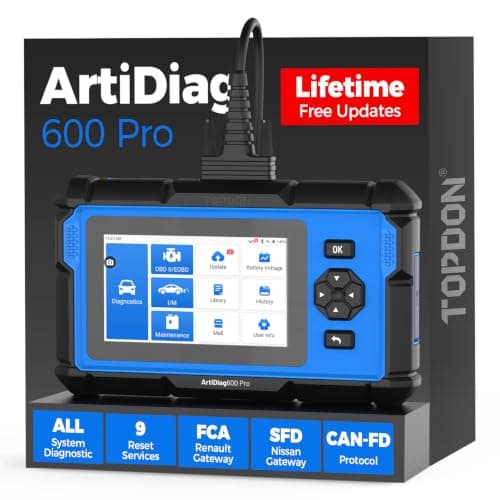
TOPDON ArtiDiag600 Pro: all systems, 9 services
See price on AmazonSee it on Amazon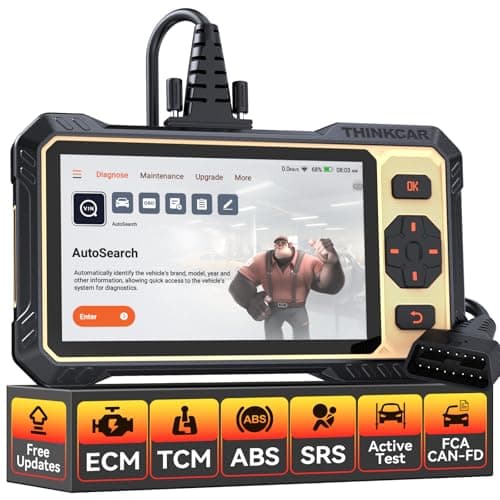
THINKCAR THINKSCAN 662: active tests under $200
See price on AmazonSee it on Amazon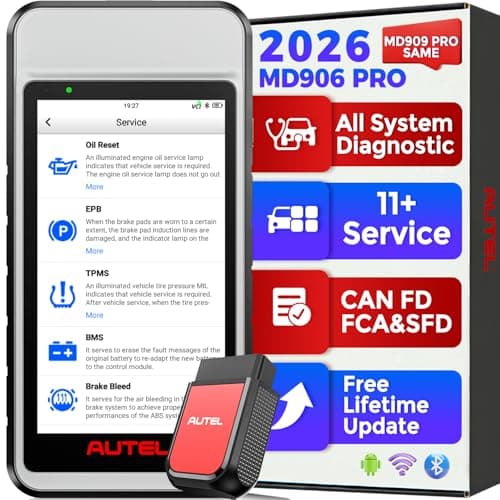
Autel MaxiDiag MD906 PRO: all systems, 11 services
See price on AmazonSee it on Amazon
This page is for drivers who pulled P0456 with a scanner or got it from a parts store readout. P0456 is one of the most common check engine codes and one of the most frustrating, because the leak is often too small to see or smell. Below you will find what the code means, the usual causes in the order worth checking, how to confirm the leak with a scan tool and a smoke test, and when it makes sense to hand the job to a shop with a smoke machine.
What P0456 means
P0456 is a generic powertrain code defined by SAE J2012: Evaporative Emission System Leak Detected (very small leak). The P means powertrain, the 0 means it is a generic code shared by all makes, and the 4xx group covers auxiliary emission controls such as EVAP. Paste any code into the code decoder to see how each character breaks down.
The EVAP system stores fuel vapor from the tank in a charcoal canister and later burns it in the engine through the purge valve. To make sure vapor is not escaping, the computer seals the system with the vent valve and watches pressure or vacuum over time. If the pressure change shows a leak about the size of a pinhole (many manufacturers use roughly 0.020 inch as the threshold), it sets P0456. A larger leak usually sets P0455 or P0442 instead.
P powertrain, B body, C chassis, U network
0 generic (same on every car), 1 set by the maker
For P codes: 4 means auxiliary emission controls
The exact fault: here, catalyst efficiency, bank 1
Symptoms of P0456
Most drivers notice nothing except the check engine light. The engine runs normally because the EVAP system does not meter fuel the way injectors do. Because the leak test only runs under specific conditions, the light can come and go over days or weeks.
- Check engine light on, often steady and not flashing
- No change in power, idle or fuel economy in most cases
- Occasionally a faint fuel smell near the filler or rear of the car
- Failed or not-ready EVAP monitor at an emissions inspection
- Code may return days after clearing because the test runs rarely
Common causes of P0456
Work through these from the top. The first items are the cheapest to check and the most widely reported causes.
| Cause | How to check | Typical fix |
|---|---|---|
| Loose, worn or wrong gas cap | Check that it clicks tight; inspect the rubber seal for cracks or flattening | Tighten or replace with an OE-quality cap |
| Filler neck seal or rusted filler neck | Look at the neck lip where the cap seals; smoke test | Replace filler neck or seal |
| Cracked or loose EVAP hose | Visual check of hoses near the canister, tank and engine bay; smoke test | Replace the hose or clamp |
| Purge valve not sealing | Apply vacuum with the engine off; it should hold. Or command it with a bidirectional tool | Replace purge valve |
| Vent valve not sealing | Command it closed with a scan tool and watch tank pressure, or smoke test | Replace vent valve |
| Leaking charcoal canister or fuel tank pressure sensor seal | Smoke test around the canister and tank top | Replace canister or sensor seal |
How to diagnose P0456
Because the leak is tiny, guessing gets expensive. A methodical approach saves money.
- 1
Read all codes and save the freeze frame. Note fuel level and temperature; many EVAP tests run only within a certain fuel level range and after a cold soak. The freeze frame guide explains each field.
- 2
Look for related codes. P0455 or P0442 point to a bigger leak, while P0449 or P0446 point to the vent circuit, which changes the plan.
- 3
Remove the gas cap, inspect the seal and the neck, and reinstall it until it clicks. If the cap is old or not an OE-quality part, replacing it is a cheap first step.
- 4
Inspect the hoses you can reach: from the purge valve in the engine bay, along the frame, and at the canister near the tank.
- 5
If your scan tool is bidirectional, run the EVAP leak test or command the vent valve closed and watch the fuel tank pressure sensor reading. Pressure or vacuum that bleeds off quickly confirms a leak.
- 6
Smoke test the system. A smoke machine pushes visible vapor into the EVAP lines through the service port so you can see where it escapes. This is the most reliable way to find a P0456 leak.
- 7
After the repair, clear the code and complete a drive cycle so the EVAP monitor can run again.
Note.Fuel vapor is flammable. Do not use an open flame or a cigarette lighter to look for leaks, and use only a smoke machine designed for EVAP testing.
How to fix P0456
The fix depends on what the smoke test or inspection finds. A gas cap, a hose or a purge valve are common DIY repairs on many vehicles. Canisters and vent valves are often mounted near the fuel tank and can be harder to reach; check the service information for your vehicle before you start.
After any repair, clear the code with a scanner and drive normally. The EVAP monitor can take several days of normal driving with cold starts before it reports complete. The drive cycle guide and readiness monitors explained cover what has to happen before an inspection.
Can you drive with P0456?
Yes. P0456 does not affect how the engine runs and does not damage anything in the short term. The main costs are a small amount of fuel vapor escaping and a failed emissions inspection in states that test OBD2 cars.
The bigger risk is that the check engine light stays on and hides a new, more serious code. Fix it when convenient, and read codes again if the light starts flashing or the car begins running differently. See can you drive with the check engine light on for the general rules.
Related codes
These EVAP codes often appear with P0456 or point to the same system: P0455 (large leak), P0442 (small leak), P0446 (vent control circuit), P0449 (vent valve circuit) and P0496 (purge flow when not commanded). If the code showed up right after a fill-up, read check engine light after getting gas.
Frequently asked questions
Will tightening the gas cap clear P0456? Not right away. The code stays stored until the EVAP test runs again and passes several times, or until you clear it with a scanner. If the cap was the cause, the light usually stays off after clearing.
Is P0456 the same as P0442? They are close. Both mean a small leak, but P0456 is set for the smallest leak size the system can detect. Diagnosis is the same: cap, hoses, valves, then a smoke test.
Can a cheap aftermarket gas cap cause P0456? It can. A cap with a poor seal or the wrong fit is a commonly reported cause, which is why many technicians suggest an OE-quality cap.
Why does P0456 keep coming back after I clear it? The leak is still there. Clearing the code does not fix anything, and the EVAP test will find the leak again on its next run. A smoke test is the best next step.
What you need for this
- See price on AmazonAmazon
TOPDON ArtiDiag600 Pro: all systems, 9 services
From Best OBD2 scanners for DIY mechanics who fix their own cars
 See price on AmazonAmazon
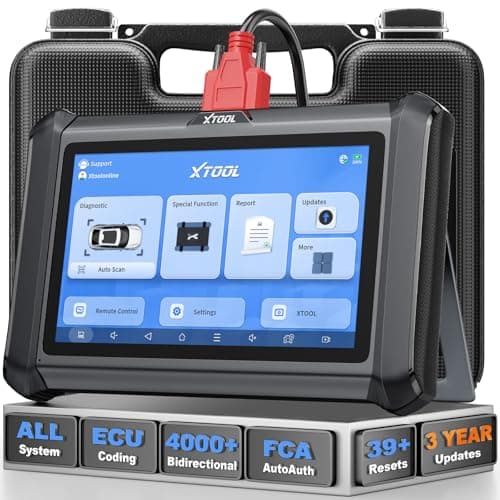
XTOOL D7S: CAN FD for newer GM, crankshaft relearn
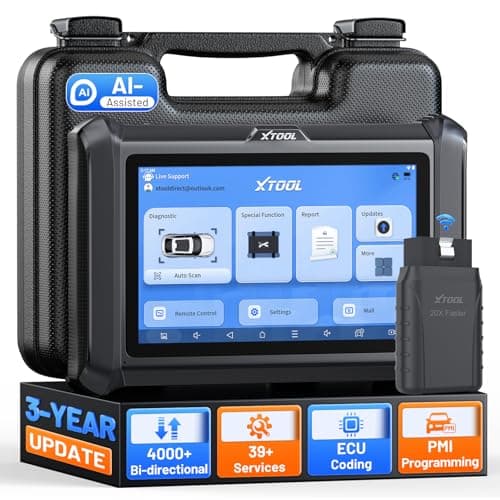 See price on AmazonAmazon
XTOOL D7W: WiFi VCI, 4000+ active tests