Explainer
Readiness monitors explained: how to pass an emissions test
Published
Short answer
Readiness monitors are self-tests your car's computer runs on emission systems like the catalyst, EVAP, and oxygen sensors. Each shows complete or incomplete. Clearing codes or disconnecting the battery resets them to incomplete, and many inspection programs reject a car with too many incomplete monitors. Driving normally for several days, including highway and cold starts, usually completes them.
Tools for this job
All 7 picks compared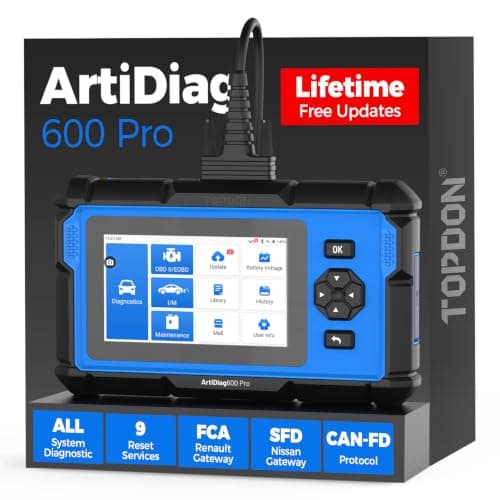
TOPDON ArtiDiag600 Pro: all systems, 9 services
See price on AmazonSee it on Amazon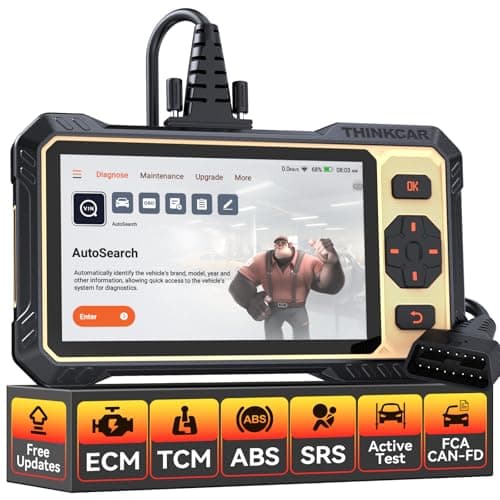
THINKCAR THINKSCAN 662: active tests under $200
See price on AmazonSee it on Amazon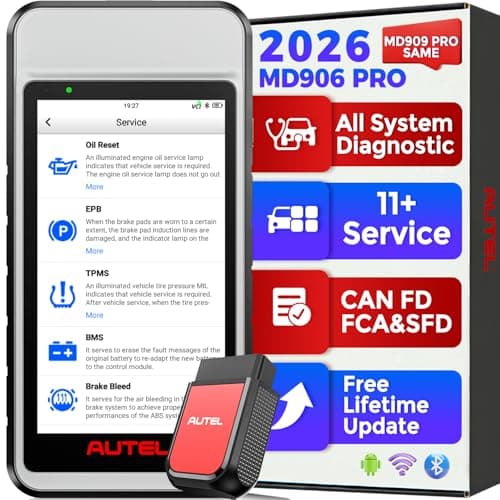
Autel MaxiDiag MD906 PRO: all systems, 11 services
See price on AmazonSee it on Amazon
If your car was turned away at an emissions test as not ready, or you want to check before you go, this page explains why. We cover what each readiness monitor does, the difference between continuous and non-continuous monitors, how many incomplete monitors many programs allow, and the practical driving that gets stubborn monitors like EVAP and catalyst to finish. All you need to check them is a basic OBD2 scanner.
What readiness monitors are
OBD2 requires the engine computer to test its own emission controls. Each of these tests is called a monitor. When a monitor has run and finished its test since codes were last cleared, it reports complete, also called ready. If it has not finished yet, it reports incomplete or not ready. A monitor that does not apply to your vehicle shows not supported.
A complete monitor does not mean the system passed. It means the test ran. If the test found a fault, there will usually be a code as well. Inspection stations check both: no active emission codes and enough monitors complete.
Continuous
Run all the time while the engine runs
- Misfire
- Fuel system
- Comprehensive components
Non-continuous
Run once per trip when conditions are right
- Catalyst
- Heated catalyst
- Evaporative system (EVAP)
- Secondary air
- Oxygen sensor
- Oxygen sensor heater
- EGR and VVT
Continuous and non-continuous monitors
Some monitors run all the time while the engine is running and complete quickly. Others need specific conditions, such as a cold start, a certain fuel level, or steady cruising, and can take days to complete.
| Monitor | Type | What it checks |
|---|---|---|
| Misfire | Continuous | Engine misfires that raise emissions or harm the catalyst |
| Fuel system | Continuous | Fuel trim limits, lean and rich conditions |
| Comprehensive components | Continuous | Sensor and actuator circuits |
| Catalyst | Non-continuous | Catalytic converter efficiency |
| Evaporative system (EVAP) | Non-continuous | Fuel vapor leaks and purge flow |
| Oxygen sensor | Non-continuous | Oxygen sensor response |
| Oxygen sensor heater | Non-continuous | Sensor heater circuits |
| EGR and/or VVT | Non-continuous | Exhaust gas recirculation or valve timing systems |
| Secondary air | Non-continuous | Air injection system, if equipped |
Note.Diesel vehicles use a different set of monitors, such as particulate filter and NOx aftertreatment. Check the service information for your vehicle.
Why your car shows not ready
The most common reason is that codes were cleared recently, either with a scanner or by disconnecting or replacing the battery. Every monitor resets to incomplete at that moment. A recent repair where the battery was unplugged has the same effect. See how to clear a check engine light.
Other reasons include a fault that keeps a monitor from running, short trips that never warm the engine fully, a fuel level too high or too low for the EVAP test, or a pending code. Some monitors will not run while certain other codes are present. For example, an oxygen sensor fault can prevent the catalyst monitor from running, so fix codes first.
- Codes cleared or battery disconnected recently
- Only short trips since the reset
- Fuel level outside the EVAP test range
- An active or pending code blocking the test
- A monitor that is slow on that particular model
How many incomplete monitors are allowed
Rules are set by each state program, so check yours. Many programs follow EPA guidance that allows up to two incomplete monitors on 1996 to 2000 model year vehicles and one incomplete monitor on 2001 and newer vehicles. Continuous monitors are generally expected to be complete. Some states have their own exceptions for specific models.
Your scanner's I/M readiness screen shows the status of each monitor. Check it before you go to the station so you do not waste a trip. Learn the basics in how to use an OBD2 scanner.
How to get monitors to complete
There is no single drive cycle for every car. Manufacturers publish their own, and they vary. A general pattern works for many vehicles: a cold start, some idling, steady highway cruising, and some deceleration without braking. Repeat over a few days of normal driving. Our drive cycle guide goes deeper.
- 1
Fix any codes first. A pending or active code can block monitors.
- 2
Keep fuel between roughly a quarter and three quarters of a tank, since EVAP tests often need a mid-range level.
- 3
Let the car sit overnight so the next start is a true cold start.
- 4
Idle for a couple of minutes after the cold start.
- 5
Drive at steady highway speed for a while, then let the car coast down without braking.
- 6
Mix in normal city driving over several days.
- 7
Recheck readiness with your scanner before the test.
Stubborn monitors: EVAP and catalyst
EVAP is often the last monitor to complete because it needs specific temperature, fuel level, and cold soak conditions. If it will not finish, make sure there are no EVAP codes such as P0456 and that the gas cap is sealing. See check engine light after getting gas.
The catalyst monitor needs a fully warm engine and steady driving. If it completes with a fault, you will see a code like P0420. A scanner with Mode 6 data can show test results before a code sets, which helps you know where you stand.
Frequently asked questions
How long does it take for readiness monitors to reset? It depends on the vehicle and your driving. Continuous monitors complete quickly. Others commonly take a few days to a week or more of mixed driving.
Can I pass inspection with one monitor not ready? Often, on 2001 and newer vehicles, if your state follows the common EPA guidance. Confirm with your state program.
Does replacing the battery reset readiness monitors? Yes, on most vehicles. Disconnecting power clears stored data, including monitor status.
Can a scanner force monitors to complete? No scanner can make a monitor complete without its conditions. Some advanced tools can show drive cycle conditions or run certain tests, but you still need to drive.
What you need for this
- See price on AmazonAmazon
TOPDON ArtiDiag600 Pro: all systems, 9 services
From Best OBD2 scanners for DIY mechanics who fix their own cars
 See price on AmazonAmazon
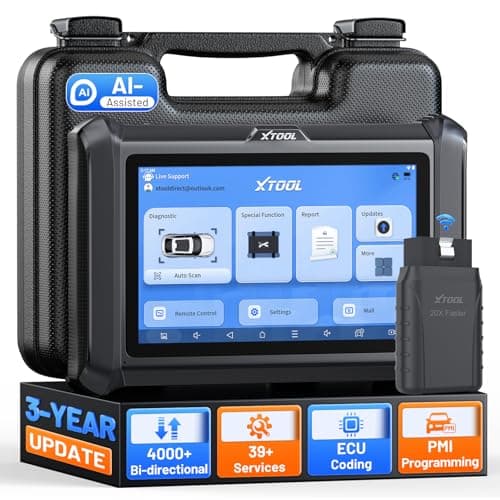
XTOOL D7W: WiFi VCI, 4000+ active tests
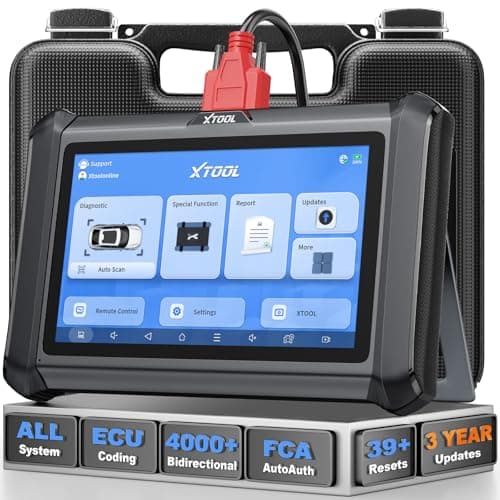 See price on AmazonAmazon
XTOOL D7S: CAN FD for newer GM, crankshaft relearn