Explainer
Can you drive with the check engine light on?
Published
Short answer
Usually yes, if the light is solid and the car drives normally, but get the code read soon. If the light is flashing, the engine is misfiring badly enough to damage the catalytic converter, so reduce speed and stop driving as soon as it is safe. If you also see a red temperature or oil pressure warning, pull over and shut off the engine.
Tools for this job
All 7 picks compared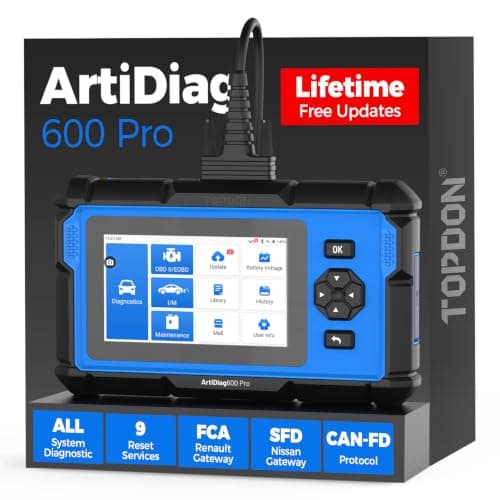
TOPDON ArtiDiag600 Pro: all systems, 9 services
See price on AmazonSee it on Amazon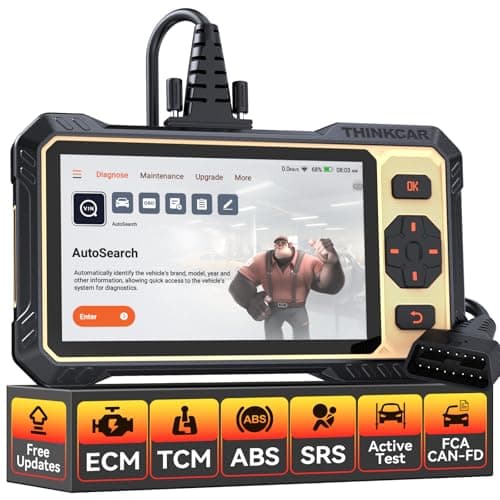
THINKCAR THINKSCAN 662: active tests under $200
See price on AmazonSee it on Amazon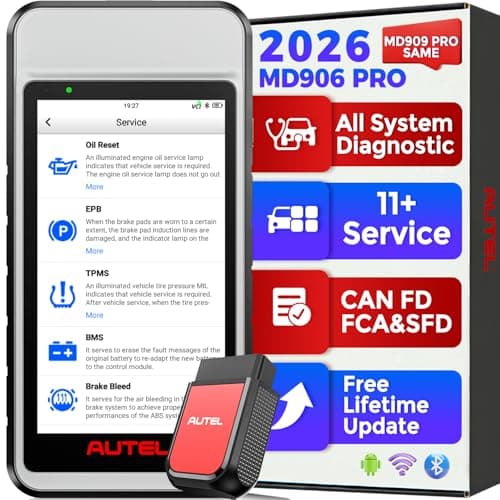
Autel MaxiDiag MD906 PRO: all systems, 11 services
See price on AmazonSee it on Amazon
The check engine light can mean anything from a loose gas cap to a misfire that is destroying the catalytic converter. This page helps you decide, right now, whether to keep driving, head home, or stop. We explain solid versus flashing, which other warning lights change the answer, what to check by the roadside, and how a cheap scanner turns a guess into a decision.
Solid vs flashing: the first thing to look at
A solid check engine light means the engine computer has confirmed a fault related to emissions or engine management. Many of these faults, such as small EVAP leaks or a slow oxygen sensor, do not affect how the car drives in the short term. You can usually keep driving carefully, but you should read the code within days, not months.
A flashing check engine light means an active misfire severe enough that unburned fuel is going into the exhaust. That fuel can overheat and damage the catalytic converter, which is an expensive part. Reduce load, avoid hard acceleration, and get off the road when you safely can. See check engine light solid vs flashing and P0300 random misfire.
- Check engineP codes
- ABSC codes
- Airbag / SRSB codes
- Tire pressureTPMS
- Battery / chargingCharging
- NetworkU codes
| What you see | What it usually means | What to do |
|---|---|---|
| Solid light, car drives normally | Confirmed fault, not urgent in most cases | Drive carefully, scan within a few days |
| Solid light, rough running or power loss | Fault affecting drivability | Limit driving, scan right away |
| Flashing light | Active severe misfire | Slow down, stop as soon as safe |
| Any light plus red temp or oil warning | Overheating or low oil pressure | Pull over and shut off the engine |
Other warning lights that change the answer
The check engine light is usually amber. Red warnings are more urgent. A red coolant temperature light or a gauge near the top means the engine is overheating. A red oil can means low oil pressure. Driving with either can cause serious engine damage within minutes, so stop the engine as soon as you can do it safely.
A battery or charging light means the alternator may not be charging. The car may run until the battery is drained, then stall. A brake system warning or a reduced power message, sometimes shown with a wrench icon, also deserves prompt attention. Check your owner's manual for what each light means on your vehicle.
Note.If the car stalls, loses steering assist, or loses braking feel, get safely off the road and call for help. Do not try to diagnose in traffic.
Simple checks you can do right away
Before you assume the worst, look at the easy things. If the light came on just after a fill-up, the gas cap is a common cause. See check engine light after getting gas.
- 1
Note whether the light is solid or flashing, and how the engine feels.
- 2
Check the temperature gauge and any red warning lights.
- 3
If you just got gas, remove and reinstall the gas cap until it clicks.
- 4
Check the engine oil level when the car is parked on level ground.
- 5
Read the codes with an OBD2 scanner, or have a parts store read them.
- 6
Look up each code and decide whether it is urgent.
Why reading the code matters
The light alone cannot tell you how serious the problem is. The code can. A code like P0456, a very small EVAP leak, is low urgency. A misfire code, a coolant temperature code, or a code related to the crankshaft position sensor such as P0335 can lead to stalling or engine damage and deserves fast attention.
A basic OBD2 scanner reads the code in a minute or two and also shows freeze frame data, which tells you the conditions when it set. Learn how in how to use an OBD2 scanner, and look up any code with the code decoder.
Risks of ignoring a solid light
Even when the car feels fine, ignoring the light has costs. While one fault keeps the light on, you will not notice when a second, more serious fault appears. A small problem like a lean condition (P0171) can lead to misfires over time. An ignored misfire can damage the catalytic converter and set P0420.
In states with emissions testing, a lit check engine light usually means an automatic fail. Fuel economy may also drop with some faults, such as a stuck thermostat (P0128) or a failed oxygen sensor.
- Hidden second faults go unnoticed
- Small problems can grow into catalyst damage
- Failed emissions inspection in testing states
- Possible lower fuel economy
Frequently asked questions
How long can I drive with the check engine light on? There is no fixed number. With a solid light and normal driving, many people drive for days while they get the code read. With a flashing light, stop as soon as it is safe.
Will the check engine light turn off by itself? Sometimes. If the fault goes away, the computer turns the light off after several good drive cycles. See how to clear a check engine light.
Is it safe to drive on the highway with the check engine light on? If the light is solid and the car drives normally, usually yes. If it is flashing or the car is losing power, avoid the highway.
Why is my check engine light on but the car runs fine? Many emissions faults do not affect drivability. See check engine light on but car runs fine.
What you need for this
- See price on AmazonAmazon
TOPDON ArtiDiag600 Pro: all systems, 9 services
From Best OBD2 scanners for DIY mechanics who fix their own cars
 See price on AmazonAmazon
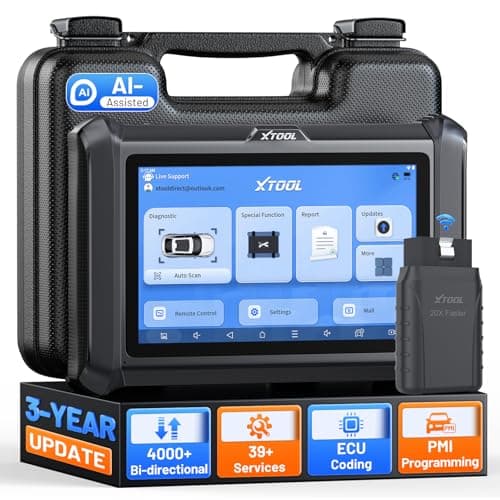
XTOOL D7W: WiFi VCI, 4000+ active tests