- System
- Powertrain
- Type
- Generic (SAE)
- Subsystem
- Auxiliary emission controls (EGR, EVAP, catalyst, secondary air)
- Urgency
- Drive carefully
Trouble code
P0442 code: Evaporative emission system small leak detected (0.040 in)
Published
Short answer
P0442 means the engine computer ran its evaporative emission (EVAP) leak test and found a small leak, roughly the size of a 0.040 inch hole. The most common cause is a loose, worn or wrong gas cap. Cracked EVAP hoses, a leaking purge or vent valve, or a cracked charcoal canister are next. It does not hurt the engine, but your car will fail an emissions inspection until it is fixed.
Scan tools that read P0442 and more
All 7 picks compared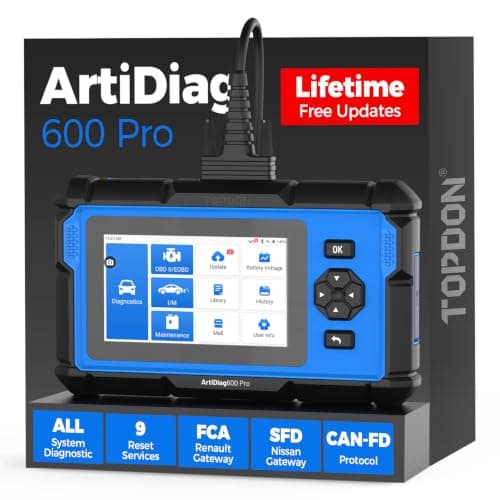
TOPDON ArtiDiag600 Pro: all systems, 9 services
See price on AmazonSee it on Amazon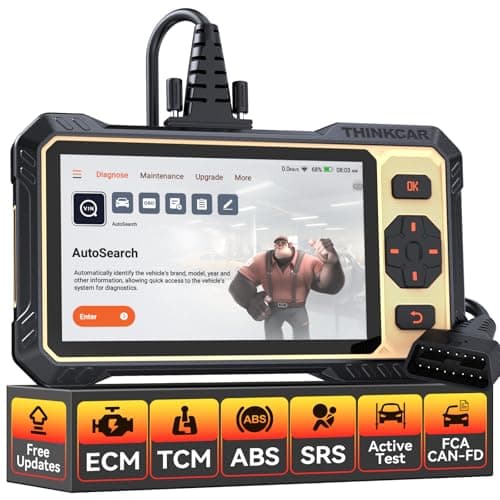
THINKCAR THINKSCAN 662: active tests under $200
See price on AmazonSee it on Amazon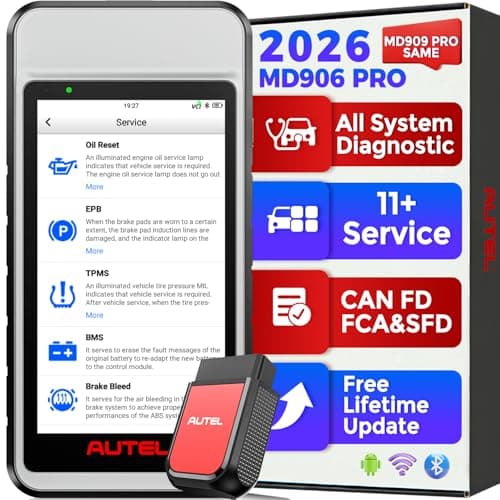
Autel MaxiDiag MD906 PRO: all systems, 11 services
See price on AmazonSee it on Amazon
This page is for drivers and DIY mechanics who pulled P0442 with a code reader and want to know what it means, how serious it is, and how to fix it without throwing parts at it. P0442 is one of the most common check engine codes, and it is usually cheap to fix once you find the leak. Below you will find what the code means, the usual symptoms, a table of causes ordered from cheapest and most likely, a step-by-step diagnosis, and answers to the questions people ask most.
What P0442 means
Your fuel tank gives off gasoline vapor. The EVAP system traps that vapor in a charcoal canister and later burns it in the engine through the purge valve, instead of venting it to the air. To make sure the system is sealed, the powertrain control module (PCM) runs a leak test. On many vehicles it seals the system with the vent valve and watches pressure or vacuum with a fuel tank pressure sensor. Other designs use a leak detection pump or a natural vacuum leak detection switch.
P0442 is the generic SAE code for Evaporative Emission System Leak Detected (small leak). Small usually means a leak about the size of a 0.040 inch hole. A larger leak sets P0455 and a very small one (0.020 inch) sets P0456. The test only runs under certain conditions, such as a cold start after the car has sat for several hours with a fuel level in a mid range, so the code can take days to come back after you clear it.
P powertrain, B body, C chassis, U network
0 generic (same on every car), 1 set by the maker
For P codes: 4 means auxiliary emission controls
The exact fault: here, catalyst efficiency, bank 1
Symptoms of P0442
Most cars with P0442 drive normally. The check engine light is often the only sign. You may also notice:
- Check engine light on, usually steady, not flashing
- A faint fuel smell near the car, especially near the filler or rear of the vehicle
- A 'Check gas cap' or 'Check fuel cap' message on some models
- Failed emissions or state inspection because of the stored code or incomplete EVAP monitor
Note.If you smell strong raw fuel or see fuel dripping, that is not a typical P0442 and should be checked right away. Do not use open flames or create sparks near a fuel leak.
Common causes of P0442
Start at the top of this table. The gas cap and visible hoses are quick and cheap to check, so rule them out before you buy valves or a canister.
| Cause | How to check | Typical fix |
|---|---|---|
| Loose, worn or wrong gas cap | Check that it clicks tight; inspect the rubber seal for cracks; make sure it is the correct cap for the vehicle | Tighten or replace the cap with an OE-style cap |
| Damaged filler neck or capless filler seal | Look for rust or dents at the filler opening; inspect the capless flap seal | Clean or replace the filler neck or seal |
| Cracked or disconnected EVAP hose | Inspect hoses from the purge valve to the intake and from the canister to the tank | Replace the cracked hose or reconnect it |
| Purge valve stuck slightly open or leaking | Command it with a bidirectional scan tool, or apply vacuum and see if it holds when closed | Replace the purge valve |
| Vent valve not sealing | Command it closed and check that it holds vacuum; look for debris or spider webs at the vent | Clean or replace the vent valve |
| Cracked charcoal canister | Visual check and smoke test | Replace the canister |
| Faulty fuel tank pressure sensor or leak detection pump | Compare sensor reading to expected values in the service information | Replace the sensor or pump |
How to diagnose P0442
A basic code reader tells you the code. A scanner with live data, freeze frame and, ideally, bidirectional controls makes the EVAP diagnosis much easier. See our guide to bidirectional scan tools if you are not sure what yours can do.
- 1
Read all codes and save the freeze frame data. Note any other EVAP codes such as P0446, P0455 or P0456.
- 2
Remove the gas cap and inspect the seal. Clean the filler neck lip. Reinstall the cap until it clicks, or replace it if the seal is cracked or the cap is not the right part.
- 3
Inspect every EVAP hose you can reach: the purge line near the intake and the lines near the canister and tank. Look for cracks, chafing and loose connections.
- 4
With a bidirectional scan tool, command the purge valve and vent valve and listen for them to click. Many tools can also run an EVAP leak test or seal the system for testing.
- 5
Smoke test the system. A smoke machine pushes visible smoke into the EVAP system at low pressure; the smoke shows exactly where the leak is. Many shops do this as a standard step.
- 6
Repair the leak, clear the code, and drive normally. Check the EVAP monitor status over the next several days to confirm the test passes.
How to fix P0442
Fix the cause you found, not the code. If the gas cap was loose or worn, a new cap is often the whole repair. If a smoke test points to a hose, valve or canister, replace that part and recheck. After the repair, clear the check engine light and let the car complete a drive cycle. The EVAP monitor is often the slowest to run, so give it several days of normal driving with cold starts.
Clearing the code without a repair only hides it. The EVAP monitor will show as not ready, and many inspection stations will fail or reject the car until it is ready. Check status in readiness monitors.
Can you drive with P0442?
Yes, in most cases. P0442 does not affect how the engine runs and is not likely to cause damage. The downsides are fuel vapor escaping into the air, a possible fuel smell, a failed emissions test, and a lit check engine light that could hide a new, more serious code. Fix it when convenient, and check the gas cap first since it costs nothing to look.
Related codes
EVAP codes often appear together. P0455 is a large leak, P0456 is a very small leak, P0446 points to the vent control circuit, P0449 is the vent valve solenoid circuit, and P0496 is purge flow when it should not be flowing. If you just filled up and the light came on, read check engine light after getting gas. You can look up any other code with our code decoder.
Frequently asked questions
Can a gas cap really cause P0442? Yes. A cap that is loose, worn, cross-threaded or the wrong part is one of the most common causes. Tighten it until it clicks or replace it, then give the EVAP monitor several days to rerun before deciding it did not work.
How long after fixing P0442 will the light go off? If you clear the code, the light goes off right away. If you do not clear it, the PCM usually turns the light off after the EVAP test passes on several consecutive drive cycles. That can take days because the test needs specific conditions.
What is the difference between P0442 and P0455? Both are EVAP leaks. P0442 is a small leak, around 0.040 inch. P0455 is a large leak or no seal at all, often a missing cap or a disconnected hose.
Do I need a smoke machine? Not always. Many P0442 cases end with a gas cap or an obvious cracked hose. If those check out, a smoke test is the fastest way to find a small leak, and a shop can do it if you do not own one. A good OBD2 scanner helps you confirm the repair.
What you need for this
- See price on AmazonAmazon
TOPDON ArtiDiag600 Pro: all systems, 9 services
From Best OBD2 scanners for DIY mechanics who fix their own cars
 See price on AmazonAmazon
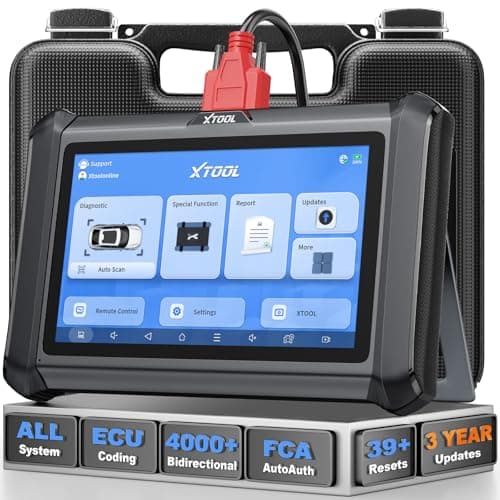
XTOOL D7S: CAN FD for newer GM, crankshaft relearn
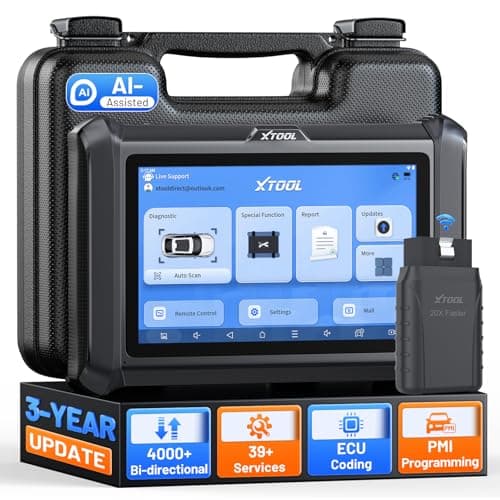 See price on AmazonAmazon
XTOOL D7W: WiFi VCI, 4000+ active tests