- System
- Powertrain
- Type
- Generic (SAE)
- Subsystem
- Ignition system or misfire
- Urgency
- Fix soon
Trouble code
P0325 code: Knock sensor 1 circuit (bank 1)
Published
Short answer
P0325 means the engine computer sees a fault in the circuit for knock sensor 1, bank 1 (or the only knock sensor on engines with one). Common causes are damaged wiring or a corroded connector, a failed knock sensor, or a sensor that is loose or torqued wrong. The engine usually still runs, but the PCM may retard ignition timing, which costs power and fuel economy.
Scan tools that read P0325 and more
All 7 picks compared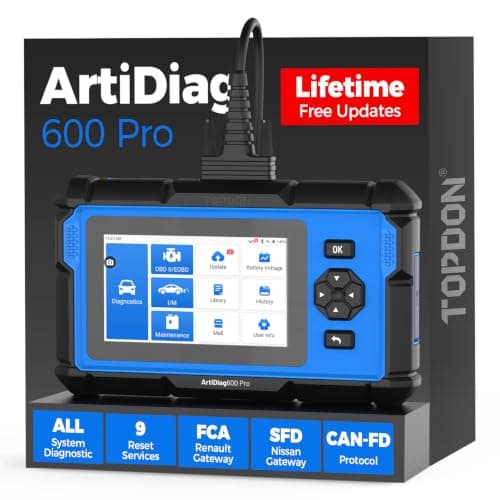
TOPDON ArtiDiag600 Pro: all systems, 9 services
See price on AmazonSee it on Amazon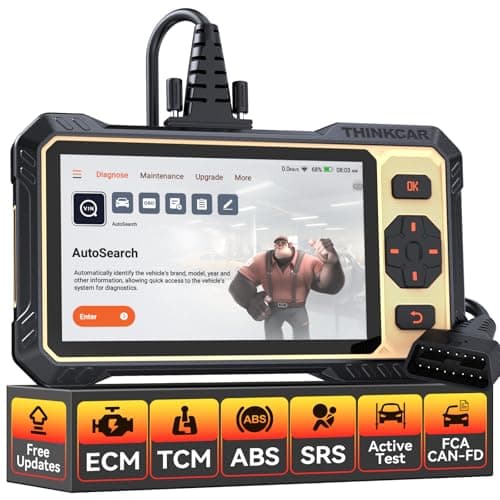
THINKCAR THINKSCAN 662: active tests under $200
See price on AmazonSee it on Amazon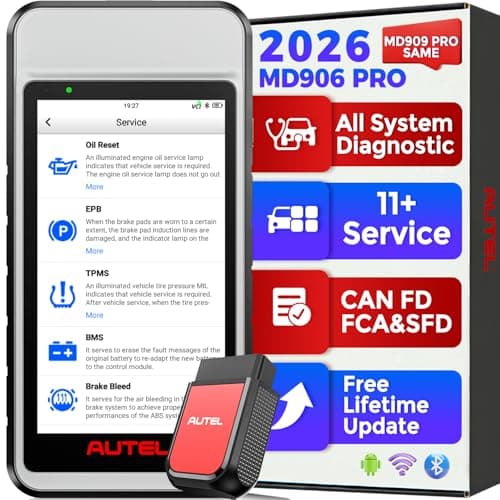
Autel MaxiDiag MD906 PRO: all systems, 11 services
See price on AmazonSee it on Amazon
This page is for drivers and DIY mechanics with a P0325 code who want to know what the knock sensor does, how serious the code is, and how to test the circuit before buying parts. Knock sensors are sometimes hidden under the intake manifold, so it pays to check the wiring and connector first. You will find the code meaning, symptoms, a causes table, a step-by-step diagnosis and answers to common questions.
What P0325 means
P0325 is the generic SAE code for Knock Sensor 1 Circuit Malfunction (Bank 1 or Single Sensor). A knock sensor is bolted to the engine block or cylinder head. It works like a microphone: it produces a small signal from vibrations, including the sharp vibration of engine knock (detonation). When the PCM detects knock, it retards ignition timing to protect the engine.
The PCM also checks that the sensor circuit itself is working. If the signal is missing, out of range or does not match what it expects for the engine speed, it sets P0325. Because the PCM can no longer trust the knock signal, many engines respond by retarding timing as a safety measure. Bank 1 is the side of the engine with cylinder 1.
Symptoms of P0325
If you hear a heavy knocking sound from deep inside the engine, that is not normal knock sensor behavior and may be a mechanical problem. Have it checked before driving further.
- Check engine light on
- Reduced power, especially under load
- Lower fuel economy
- Pinging or knocking under acceleration on some engines
- Often no noticeable symptoms besides the light
Common causes of P0325
Wiring and connector problems are common because knock sensor harnesses sit near hot engine parts and sometimes in places where coolant or oil can collect. Check them before replacing the sensor.
| Cause | How to check | Typical fix |
|---|---|---|
| Damaged wiring or chafed harness | Inspect the harness from the sensor to the PCM; check continuity and shorts to ground | Repair or replace the harness section |
| Corroded or loose connector | Unplug and inspect pins for corrosion, oil or coolant; check pin fit | Clean or replace the connector |
| Sensor loose or wrong torque | Check the sensor mounting torque against the service information | Torque to spec; sensor output depends on correct mounting |
| Failed knock sensor | Test per the service information (resistance or signal check, varies by design) | Replace the knock sensor |
| Coolant leak soaking the sensor or connector | Look for coolant around the sensor area, often under the intake on V engines | Fix the leak, then repair the sensor or wiring |
| PCM fault (uncommon) | Only after all wiring and the sensor test good | Professional diagnosis; repair or replace the PCM |
How to diagnose P0325
Test procedures and specifications vary by make and engine, so keep the service information for your vehicle at hand. A scanner with live data and freeze frame helps a lot.
- 1
Read all codes and save the freeze frame data. Check for other codes, especially other knock sensor codes such as P0330 or misfire codes.
- 2
Clear the code and see if it returns. Note whether it comes back right away (often a circuit fault) or only under certain driving conditions.
- 3
Locate the sensor and inspect the connector and harness. On many V engines the sensor sits under the intake manifold, which makes access harder.
- 4
With the connector unplugged, check the harness for continuity to the PCM and for shorts to ground or voltage, following the wiring diagram.
- 5
Test the sensor as the service information describes. Some designs are checked for resistance, others need a signal check. Do not rely on a generic spec.
- 6
If you replace the sensor, clean the mounting surface and torque it to spec. Clear the code and verify with a test drive.
Note.If the sensor is under the intake manifold, removing the intake involves fuel lines and gaskets. Relieve fuel pressure as the service information describes, keep sparks away, and consider a professional if you are not comfortable with the job.
How to fix P0325
Fix what the testing finds. A broken wire or bad connector is a wiring repair. A failed sensor gets replaced with the correct part for your engine, torqued to spec. If there is a coolant leak around the sensor, fix the leak too, or the new parts may fail again. Then clear the code and drive normally to confirm it does not return.
Can you drive with P0325?
In most cases you can drive carefully for a short time, but fix it soon. The engine may run with retarded timing and less power. The bigger risk is that the PCM cannot reliably detect real knock. Avoid heavy loads, towing and hard acceleration, use the fuel octane your owner's manual specifies, and listen for pinging. If you hear knocking, ease off right away.
Related codes
P0330 is the same fault for knock sensor 2 (bank 2). P0335 and P0340 are crankshaft and camshaft sensor codes, which the PCM uses alongside the knock signal. P0300 is a random misfire. Look up other codes with the code decoder, and read how to read OBD2 codes if you are new to scan tools.
Frequently asked questions
Is P0325 serious? It is usually not an emergency, but it should be fixed soon. The engine often loses some power and economy, and it loses its protection against knock until the circuit works again.
Can low octane fuel cause P0325? Fuel octane causes knock, not a circuit fault. P0325 is about the sensor circuit. Still, use the octane your owner's manual specifies, especially while the knock sensor is not working.
Why does the knock sensor code come back after replacing the sensor? Often the wiring or connector was the real problem, or the new sensor was not torqued to spec. Check the harness and the mounting before buying another sensor.
Do I need to replace both knock sensors? Not necessarily. Replace the one that tests bad. On engines where both sensors sit under the intake, some owners choose to replace both while it is apart, since the labor is the same.
What you need for this
- See price on AmazonAmazon
TOPDON ArtiDiag600 Pro: all systems, 9 services
From Best OBD2 scanners for DIY mechanics who fix their own cars
 See price on AmazonAmazon
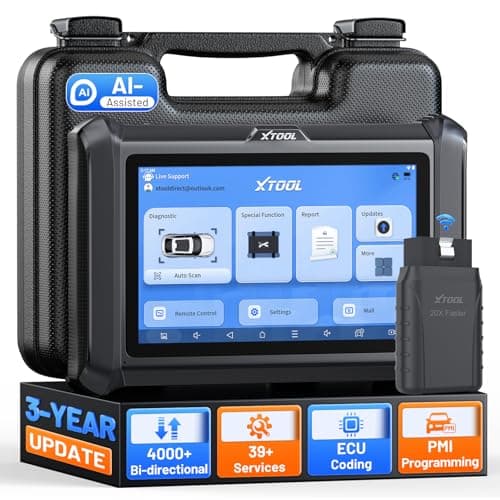
XTOOL D7W: WiFi VCI, 4000+ active tests
 See price on AmazonAmazon
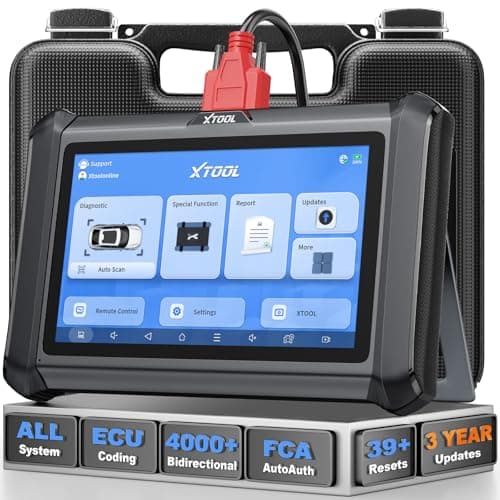
XTOOL D7S: CAN FD for newer GM, crankshaft relearn