- System
- Powertrain
- Type
- Generic (SAE)
- Subsystem
- Usually fuel and air metering (injector circuit)
- Urgency
- Fix soon
Trouble code
P2263 code: Turbo/supercharger boost system performance
Published
Short answer
P2263 means the turbocharger or supercharger boost pressure is not matching what the engine computer commanded. Common causes are boost leaks from cracked hoses or loose clamps, problems with the wastegate or variable vane control, a faulty boost pressure sensor, and leaking vacuum lines to the boost control system. The engine often goes into reduced power (limp) mode.
Scan tools that read P2263 and more
All 8 picks compared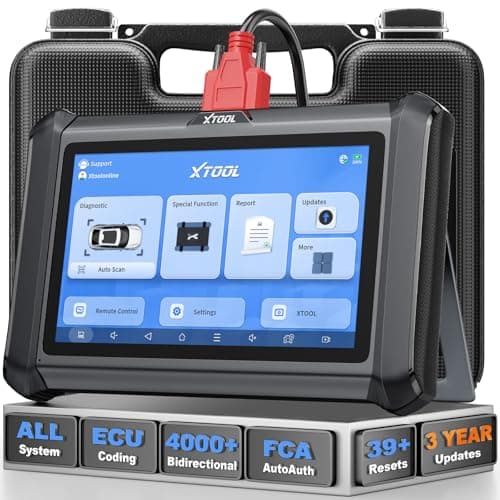
XTOOL D7S: 4000+ active tests and ECU coding
See price on AmazonSee it on Amazon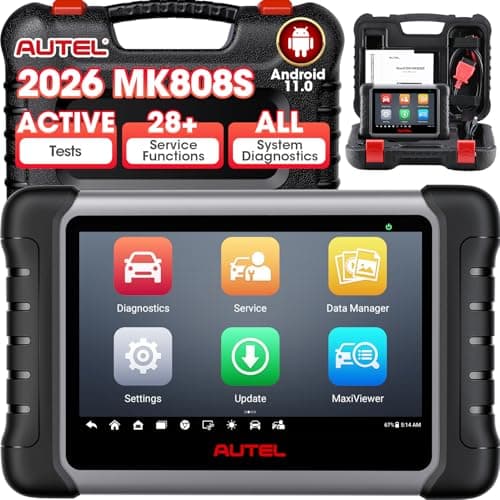
Autel MaxiCOM MK808S: 28+ services on 150+ makes
See price on AmazonSee it on Amazon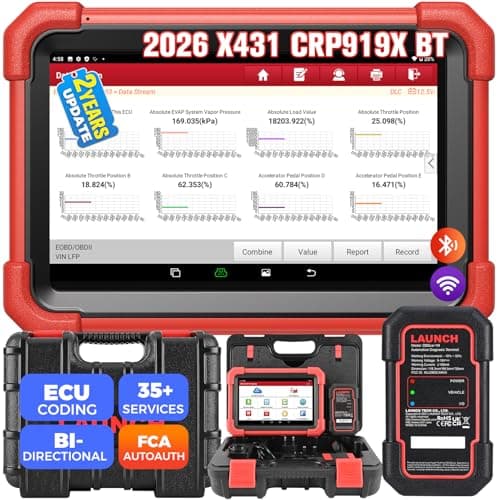
LAUNCH X431 CRP919XBT: wireless VCI plus ECU coding
See price on AmazonSee it on Amazon
This page is for owners of turbocharged gas and diesel engines who pulled P2263 and want to diagnose it methodically. Because P2263 is a performance code, many different faults can set it, from a split intercooler hose to a sticking turbo actuator. The fix is to compare desired and actual boost, then check the cheap and common items first. You will find the code meaning, symptoms, a causes table, step-by-step diagnosis and answers to common questions.
What P2263 means
P2263 is the generic SAE code for Turbo/Super Charger Boost System Performance. The PCM (or ECM on diesels) calculates how much boost the engine should make for the current load, then controls the wastegate or variable geometry turbo (VGT) vanes to reach it. A boost pressure sensor, often combined with the MAP sensor, reports what is actually happening.
When actual boost stays too low or too high compared with the desired value for long enough, the computer sets P2263. It does not say which part failed. It only says the boost system is not performing as expected. Related code P0299 specifically means underboost; P2263 can cover both under and over conditions depending on the manufacturer.
Symptoms of P2263
Limp mode limits boost and power to protect the engine. Switching the engine off and on may restore power until the fault happens again.
- Check engine light on
- Reduced power or limp mode, sometimes with a warning message
- Slow or flat acceleration, especially at higher rpm or under load
- Whistling, hissing or whooshing sounds from a boost leak
- Black smoke on diesels when boost is low
- Lower fuel economy
Common causes of P2263
Start with leaks and vacuum lines. They are common, easy to inspect and cheap to repair. Turbo replacement should come last, after testing.
| Cause | How to check | Typical fix |
|---|---|---|
| Boost leak: split intercooler hose, loose clamp, cracked pipe | Inspect charge pipes and couplers for oil residue and splits; pressure or smoke test the intake side | Replace the hose or pipe; tighten or replace clamps |
| Cracked or disconnected vacuum line to the wastegate or VGT actuator | Inspect small vacuum lines; check that the actuator holds vacuum | Replace the vacuum line |
| Faulty boost control solenoid | Command it with a scan tool or test per the service information | Replace the solenoid |
| Boost or MAP sensor fault, or clogged sensor port | With key on and engine off, compare boost/MAP reading to barometric pressure | Clean the port or replace the sensor |
| Sticking wastegate or VGT vanes, or failed actuator | Watch actuator movement when commanded; check for binding | Free up, repair or replace the actuator |
| Exhaust restriction (clogged DPF or catalytic converter) | Check exhaust backpressure or DPF pressure readings | Clean, regenerate or replace the restricted part |
| Worn or damaged turbocharger | Check shaft play and look for blade damage or oil leaks | Replace or rebuild the turbo |
How to diagnose P2263
Live data is essential for this code. You want desired boost and actual boost on the same screen while you drive. Many scanners can graph both. Procedures vary by make and engine, so check the service information for your vehicle.
- 1
Read all codes and save the freeze frame data. Note rpm, load, and desired versus actual boost when the code set. Look for related codes such as sensor circuit codes, P0299 or P0401.
- 2
With the key on and engine off, compare the boost/MAP sensor reading to the barometric pressure reading. They should be close. A big difference points to the sensor.
- 3
Inspect all charge air hoses, the intercooler and clamps. Oily residue at a joint often marks a leak.
- 4
Inspect the vacuum lines to the wastegate or VGT actuator and the boost control solenoid. Replace any that are cracked or hard.
- 5
Pressure or smoke test the intake and charge air system to find leaks you cannot see.
- 6
With a bidirectional scan tool, command the actuator or solenoid and watch it move. A sticking or slow actuator points to the turbo control.
- 7
Road test with a graph of desired and actual boost. Actual boost lagging well behind desired suggests a leak or control problem; boost overshooting suggests a sticking wastegate or vanes.
- 8
If everything else checks out, inspect the turbo itself and check for exhaust restriction.
How to fix P2263
Repair what the testing points to. A split charge pipe or a cracked vacuum line is a common and inexpensive fix. A faulty sensor or solenoid is usually a bolt-on part. Sticking VGT vanes on diesels sometimes respond to cleaning, but some need actuator or turbo replacement. For diesel trucks with DPF systems, a dedicated tool may be needed to run a regeneration; see our heavy duty truck scanner guide. After the repair, clear the code and road test while watching boost.
Note.The turbo and exhaust get extremely hot. Let the engine cool before working near them, and never run the engine with the intake open, since the turbo can pull in debris or fingers.
Can you drive with P2263?
Usually yes, gently and for a short distance, but fix it soon. Limp mode limits power, which can be unsafe when merging or passing. An overboost condition can strain the engine, and a failing turbo can leak oil. If you see heavy smoke, hear grinding from the turbo or the oil light comes on, stop driving.
Related codes
P0299 is turbo underboost. P0101 points to MAF performance, which boost leaks can also affect. P0401 is low EGR flow, common on diesels alongside boost problems. Look up other codes with the code decoder.
Frequently asked questions
Does P2263 mean my turbo is bad? Not necessarily. Boost leaks, vacuum lines, sensors and actuators commonly cause P2263. Test those first; the turbo itself is usually the last thing to replace.
What is the difference between P2263 and P0299? P0299 means underboost: actual boost is lower than desired. P2263 is a broader boost system performance code and, depending on the manufacturer, can cover both underboost and overboost.
Can a boost leak cause P2263? Yes. A split intercooler hose or loose clamp is one of the most common causes. Oil residue around a joint is a good clue.
Why did the power come back after restarting? Limp mode often resets when the engine is restarted. The fault is still there and will likely return under the same conditions, so diagnose it with an OBD2 scanner that shows live boost data.
What you need for this
- See price on AmazonAmazon
XTOOL D7S: CAN FD for newer GM, crankshaft relearn
 See price on AmazonAmazon
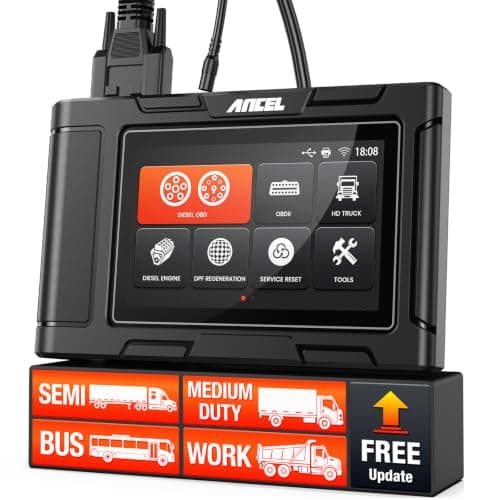
ANCEL HD3400 Pro: DPF regen across 8 engine makes
From Best heavy duty and diesel truck scanners with DPF regen
 See price on AmazonAmazon
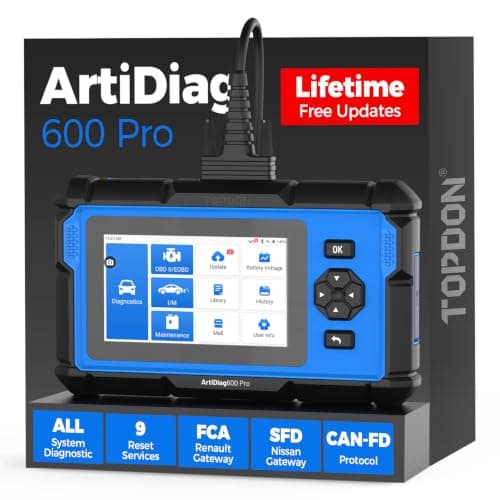
TOPDON ArtiDiag600 Pro: all systems, 9 services
From Best OBD2 scanners for DIY mechanics who fix their own cars