- System
- Powertrain
- Type
- Generic (SAE)
- Subsystem
- Fuel and air metering (injector circuit)
- Urgency
- Fix soon
Trouble code
P0299 code: Turbocharger/supercharger underboost
Published
Short answer
P0299 means actual boost pressure measured by the engine computer stayed below the boost it asked for. The most common causes are a boost leak in the intercooler piping, a wastegate or boost control problem, and a faulty boost pressure sensor reading. Many cars go into reduced power (limp mode), so diagnose it soon.
Scan tools that read P0299 and more
All 8 picks compared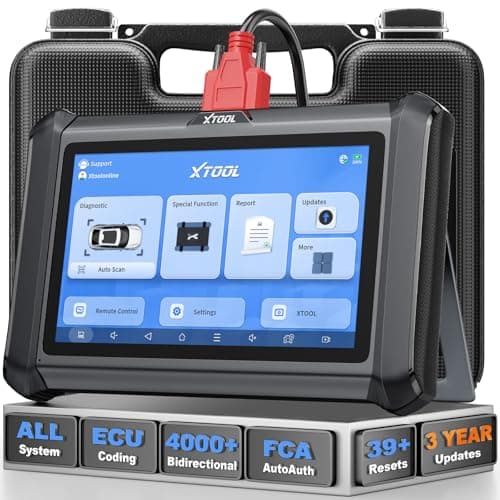
XTOOL D7S: 4000+ active tests and ECU coding
See price on AmazonSee it on Amazon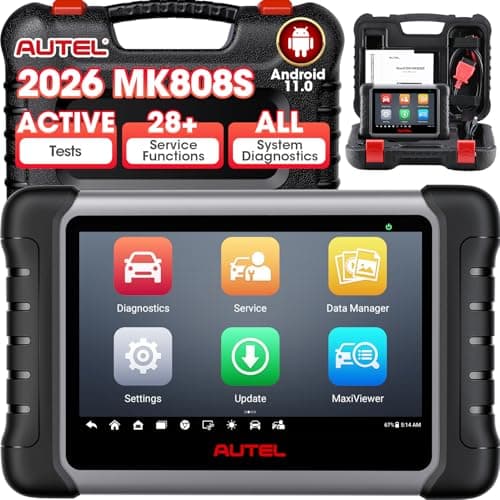
Autel MaxiCOM MK808S: 28+ services on 150+ makes
See price on AmazonSee it on Amazon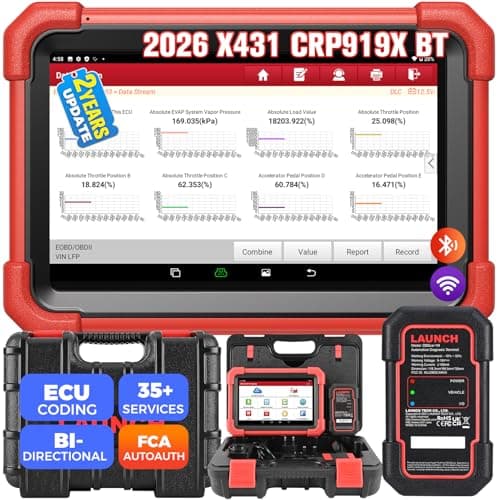
LAUNCH X431 CRP919XBT: wireless VCI plus ECU coding
See price on AmazonSee it on Amazon
This page is for owners of turbocharged and supercharged gas and diesel vehicles who pulled P0299, often after feeling a sudden loss of power. We explain what the code means, how the computer decides boost is too low, the common causes in the order to check them, and a step-by-step diagnosis using live boost data. Turbo systems vary a lot between makes, especially diesels with variable geometry turbos, so use this as a framework and check the service information for your exact engine.
What P0299 means
P0299 is a generic SAE J2012 powertrain code: Turbocharger/Supercharger "A" Underboost Condition. The P stands for powertrain and the 0 means the definition is generic across OBD2 vehicles. The "A" refers to the first or only turbo or supercharger on the engine.
The engine computer calculates a target boost from throttle position, engine speed and load, then reads actual boost from a boost or manifold pressure sensor. If actual boost stays below the target by more than a set amount for a set time, it stores P0299. That means the code can come from a real loss of boost or from a sensor that reports boost incorrectly. Use our code decoder to look up any companion codes.
Symptoms of P0299
Symptoms often come and go at first, showing up only under heavy load or on hot days, then become steady as a leak or sticking part gets worse.
- Check engine light on
- Noticeable loss of power, especially when accelerating or climbing
- Reduced power or limp mode message on many vehicles
- Whistling, whooshing or hissing under acceleration from a boost leak
- Black smoke on some diesels
- Worse fuel economy
Common causes of P0299
Boost leaks are the most common cause on many vehicles, and they are often the cheapest to fix. Work through the list below before suspecting the turbo itself.
| Cause | How to check | Typical fix |
|---|---|---|
| Boost leak: loose clamp, split coupler, cracked intercooler pipe | Inspect all charge pipes and the intercooler for oil residue, cracks and loose clamps; pressure test the intake | Tighten or replace the clamp, coupler or pipe |
| Clogged air filter or restricted intake | Inspect the filter and intake tract | Replace the air filter, clear the restriction |
| Wastegate stuck open or actuator fault | Check actuator rod movement and vacuum or electric actuator operation | Free or replace the wastegate actuator |
| Boost control solenoid or vacuum line fault | Inspect lines; command the solenoid with a bidirectional scan tool | Replace hose or solenoid |
| Faulty boost or MAP sensor reading | Compare sensor reading to barometric pressure with key on, engine off | Clean connector or replace sensor |
| Sticking variable geometry vanes (many diesels) | Watch commanded vs actual vane position in live data | Clean or repair per service information |
| Worn turbo or supercharger | Check shaft play, oil leaks, damaged compressor blades | Repair or replace the unit |
How to diagnose P0299
Live data is what separates a boost leak from a sensor fault. You need to see desired boost and actual boost at the same time, ideally graphed during a road test with a helper driving.
- 1
Read all codes and save the freeze frame. Note RPM, load and boost readings when the code set.
- 2
Fix related codes first, such as boost sensor circuit, MAF, wastegate solenoid or VGT actuator codes.
- 3
With the key on and engine off, the boost or MAP sensor should read close to barometric pressure. A big difference points to the sensor.
- 4
Inspect every charge pipe, coupler and clamp from the turbo to the throttle body. Oil residue around a joint often marks a leak.
- 5
Pressure test the intake system with a boost leak tester if you have one, or have a shop smoke test it.
- 6
Graph desired and actual boost during a safe road test. If actual boost lags across the board, check the wastegate or boost control. If it never reaches target even with no leaks, inspect the turbo.
- 7
After the repair, clear the code and confirm actual boost tracks desired boost under load.
How to fix it and can you drive with P0299?
The fix depends on what you find: a clamp or coupler, a new sensor, a wastegate actuator or, less often, a turbo. Replacing a turbo without finding a leak or control fault is an expensive guess.
You can usually drive gently to a shop with P0299, but expect reduced power. Avoid hard acceleration, towing and highway merging that need full power. If you hear grinding or screeching from the turbo, see blue smoke, or the oil level drops quickly, stop driving: a failing turbo can damage the engine.
Note.Turbochargers and exhaust parts get extremely hot. Let the engine cool before touching charge pipes or the turbo, and never put hands near the compressor inlet with the engine running.
Related codes
Mass airflow faults like P0101 can affect how the computer calculates boost. Lean codes such as P0171 and P0174 can appear when a boost leak lets unmetered air escape or enter. Browse more engine codes.
Frequently asked questions
Is P0299 a bad turbo? Not usually at first. Boost leaks, wastegate or control problems and sensor faults are more common. Check those before replacing the turbo.
Can a dirty air filter cause P0299? A badly restricted air filter or intake can reduce boost enough to set it on some vehicles. It is a cheap first check.
Why does P0299 come and go? Leaks often open up under high boost and heat, and sticking actuators may only bind at certain temperatures. That is why graphing boost during a road test helps.
What scan tool do I need for P0299? One that shows desired and actual boost in live data. A bidirectional tool adds actuator tests. See also our DIY scanner guide.
What you need for this
- See price on AmazonAmazon
XTOOL D7S: CAN FD for newer GM, crankshaft relearn
 See price on AmazonAmazon
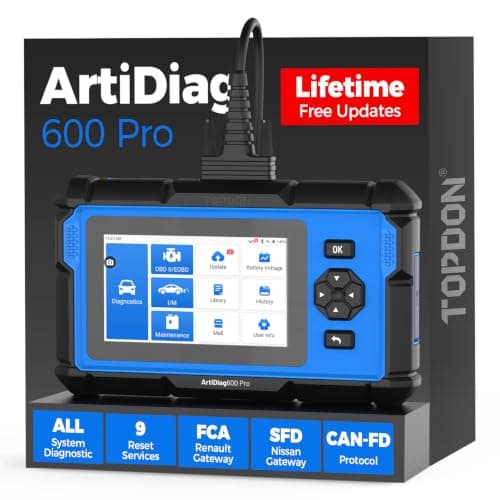
TOPDON ArtiDiag600 Pro: all systems, 9 services
From Best OBD2 scanners for DIY mechanics who fix their own cars
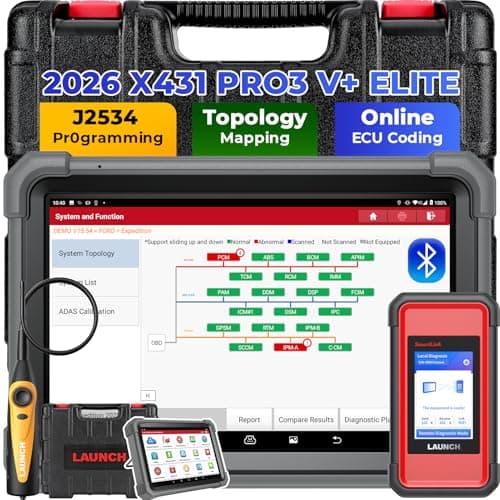 See price on AmazonAmazon
Launch X431 PRO3 V+ Elite: J2534 and 10.1 in Gorilla Glass
From Best professional diagnostic tablets for a home garage or small shop