- System
- Powertrain
- Type
- Generic (SAE)
- Subsystem
- Fuel and air metering
- Urgency
- Fix soon
Trouble code
P0118 code: Engine coolant temperature sensor circuit high
Published
Short answer
P0118 means the engine coolant temperature (ECT) sensor circuit voltage is higher than normal. On most vehicles that makes the PCM think the engine is extremely cold. The usual causes are an unplugged or corroded connector, a broken wire, or a failed sensor. A scan tool showing a very low coolant temperature on a warm engine is the classic sign.
Scan tools that read P0118 and more
All 7 picks compared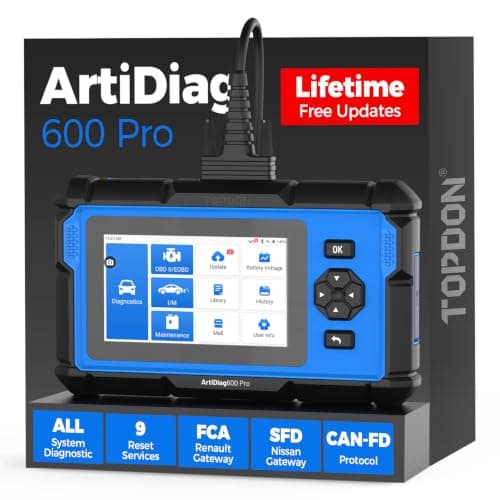
TOPDON ArtiDiag600 Pro: all systems, 9 services
See price on AmazonSee it on Amazon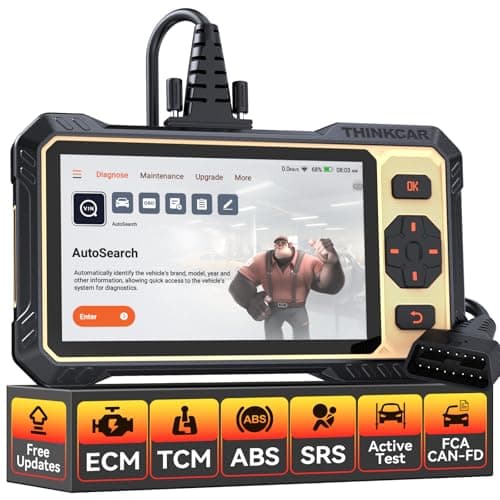
THINKCAR THINKSCAN 662: active tests under $200
See price on AmazonSee it on Amazon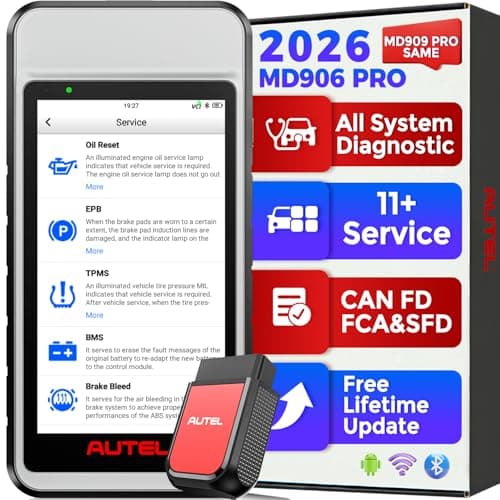
Autel MaxiDiag MD906 PRO: all systems, 11 services
See price on AmazonSee it on Amazon
This page is for drivers and DIY mechanics with a P0118 code who want to find out whether the sensor, the connector or the wiring is to blame. P0118 is an electrical circuit code, not a cooling system code, so it is usually straightforward to diagnose with a scan tool and a multimeter. You will find what the code means, the symptoms, a causes table, a step-by-step diagnosis and answers to common questions.
What P0118 means
P0118 is the generic SAE code for Engine Coolant Temperature Circuit High Input. The ECT sensor is a thermistor: its resistance changes with temperature. The PCM sends a reference voltage (commonly 5 volts) to the sensor and reads the voltage that comes back. On most designs, cold coolant means high resistance and high signal voltage, and hot coolant means low resistance and low voltage.
When the signal voltage stays above the normal range, the PCM sets P0118. An open circuit, such as an unplugged connector or broken wire, pushes the signal close to the full reference voltage. That is why the scan tool often shows a coolant temperature around -40 degrees on a car with P0118. The opposite fault, circuit low input, is P0117, and an engine that warms up too slowly sets P0128.
Symptoms of P0118
Because the PCM uses coolant temperature to set fuel, idle speed and timing, a wrong reading can make the engine run rich. Many vehicles switch to a default temperature value when they detect the fault, so symptoms vary.
- Check engine light on
- Cooling fans running all the time (a fail-safe on many vehicles)
- Hard starting when the engine is warm
- Rough idle, rich running or black smoke
- Poor fuel economy
- Temperature gauge reading wrong on vehicles where the same sensor drives the gauge
Note.Do not open the radiator cap or coolant reservoir on a hot engine. Hot coolant is under pressure and can cause serious burns.
Common causes of P0118
Most P0118 codes come from an open circuit. Start with the connector and wiring, which are quick to check.
| Cause | How to check | Typical fix |
|---|---|---|
| Unplugged, loose or corroded connector | Inspect the ECT connector; look for green corrosion, broken locks or spread pins | Reconnect, clean or replace the connector |
| Broken or damaged signal or ground wire | Check continuity from the sensor to the PCM per the wiring diagram | Repair the wire |
| Failed ECT sensor (open internally) | Measure sensor resistance and compare to the temperature chart in the service information | Replace the ECT sensor |
| Poor sensor ground | Check voltage drop on the ground side | Repair the ground |
| PCM fault (uncommon) | Only after the sensor and wiring test good | Professional diagnosis |
How to diagnose P0118
A scan tool with live data makes this code easy to narrow down. Follow the service information for pin locations and specs on your vehicle.
- 1
Read all codes and save the freeze frame data. Note the coolant temperature value recorded when the code set.
- 2
With the engine warm, view the ECT reading in live data. A reading near -40 on a warm engine points to an open circuit.
- 3
Inspect the sensor connector and harness. Wiggle the harness while watching live data; a jumping reading points to a bad connection.
- 4
Unplug the sensor and briefly connect the signal and ground pins on the harness side with a fused jumper. The scan tool should now show a very hot reading. If it does, the wiring and PCM are fine and the sensor is likely bad.
- 5
If the reading does not change with the jumper, check the reference voltage and the wiring back to the PCM.
- 6
Replace the failed part, clear the code, and confirm the ECT reading rises smoothly as the engine warms up.
Note.Replacing an ECT sensor can release coolant. Let the engine cool fully, catch the coolant, and top up and bleed the cooling system as the service information describes. Keep coolant away from pets and children.
How to fix P0118
Fix the connection or replace the sensor based on your testing. Use the correct sensor for your engine: some engines have more than one temperature sensor, and they are not always interchangeable. After replacing a sensor, refill and bleed the cooling system so no air pockets are left around the new sensor. Then clear the code and check that the reading in live data matches a warm engine.
Can you drive with P0118?
You can usually drive short distances, but fix it soon. The engine may run rich, start poorly when hot and use more fuel. Running rich for a long time can foul spark plugs and stress the catalytic converter. If the temperature gauge also reads wrong, you lose your warning of a real overheating problem, so watch for steam or a coolant smell and stop if you see them.
Related codes
P0128 means the coolant takes too long to warm up, often a thermostat. P0172 is a rich condition that a wrong coolant reading can contribute to. Other ECT codes in the P0115 to P0119 range cover different circuit faults. Look them up in the code decoder.
Frequently asked questions
Why does my scan tool show -40 degrees coolant temperature? That reading usually means an open circuit: the PCM sees full reference voltage and reports the coldest value it can. Check the connector and wiring first.
Can a bad thermostat cause P0118? Not usually. P0118 is an electrical fault in the sensor circuit. A thermostat stuck open is more likely to set P0128.
Why are my cooling fans always on with P0118? Many vehicles turn the fans on as a fail-safe when they cannot trust the coolant temperature. Once the circuit is fixed, the fans should go back to normal.
Is the ECT sensor the same as the temperature gauge sender? On some vehicles one sensor does both jobs; on others they are separate. Check the service information for your vehicle before buying a part.
What you need for this
- See price on AmazonAmazon
TOPDON ArtiDiag600 Pro: all systems, 9 services
From Best OBD2 scanners for DIY mechanics who fix their own cars
 See price on AmazonAmazon
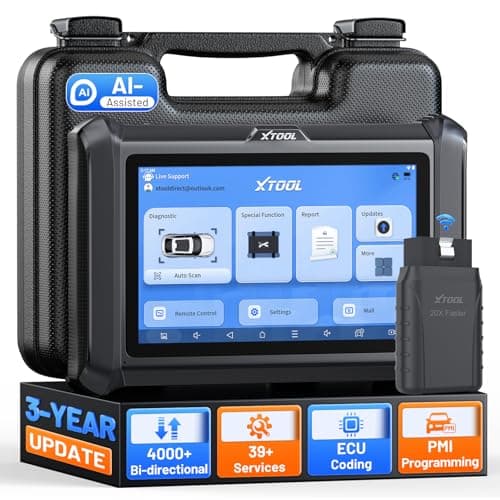
XTOOL D7W: WiFi VCI, 4000+ active tests
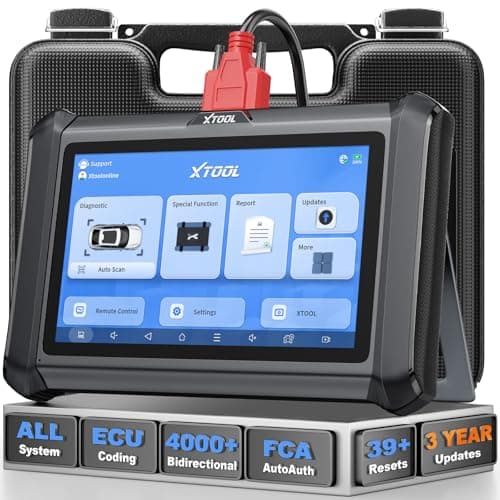 See price on AmazonAmazon
XTOOL D7S: CAN FD for newer GM, crankshaft relearn