Fix
ABS light on: common causes and how to read the code
Published
Short answer
The ABS light means the anti-lock brake module found a fault and has switched off anti-lock function. Normal brakes usually still work. Common causes are a failed or dirty wheel speed sensor, damaged sensor wiring, a cracked tone ring, low brake fluid, a blown ABS fuse, low system voltage, or an ABS module or pump fault. ABS codes are C codes stored in the ABS module, so you need a scanner that reads ABS, not just engine codes.
Tools for this job
All 7 picks compared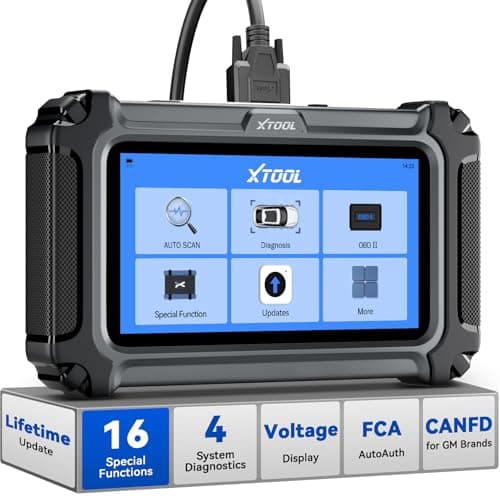
XTOOL D5S: 4 systems, 16 resets, ABS bleeding
See price on AmazonSee it on Amazon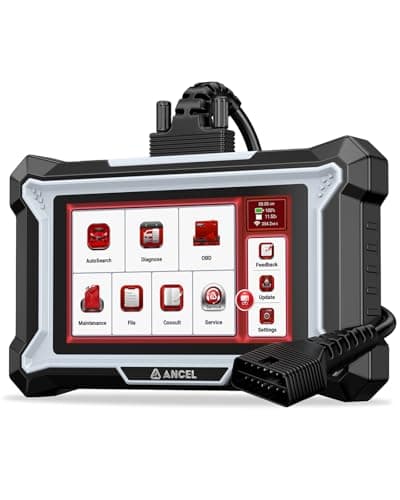
ANCEL DS100: 4 systems, 10 services, CAN FD
See price on AmazonSee it on Amazon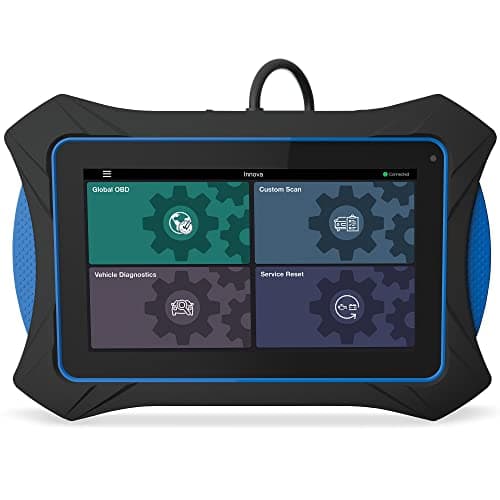
Innova 7111: bidirectional tablet with ABS bleeding
See price on AmazonSee it on Amazon
This page is for drivers who see the amber ABS light, sometimes along with traction control or the red brake warning, and want to know what is wrong and whether the car is safe. It covers what the light means, the common causes roughly from most to least likely, why a basic code reader will not help, and a simple diagnostic order you can follow at home. Brakes are a safety system, so the guidance below also marks where a professional should take over.
What the ABS light means
Anti-lock brakes pulse brake pressure to keep the wheels from locking in a hard stop. The ABS module watches a speed sensor at each wheel. When it detects a fault in a sensor, circuit, pump or valve, it stores a code, turns on the ABS light and disables anti-lock function. Traction and stability control often use the same sensors, so those lights may come on too.
Your regular brakes normally still work. You lose the anti-lock feature, which matters most on wet, icy or loose surfaces.
- Check engineP codes
- ABSC codes
- Airbag / SRSB codes
- Tire pressureTPMS
- Battery / chargingCharging
- NetworkU codes
Note.If the red BRAKE light is on together with the ABS light, or the pedal feels soft or sinks, stop driving and have the brake system checked. That can mean low fluid, a hydraulic problem or a fault affecting brake force distribution.
Common causes
Wheel speed sensor problems are the most common cause on many vehicles. Sensors sit near the hub, where dirt, rust, road salt and brake work can damage them or their wiring.
| Cause | Clues |
|---|---|
| Wheel speed sensor failed or dirty | Code points to one wheel, often after brake or hub work |
| Damaged sensor wiring or connector | Intermittent light, worse over bumps or when turning |
| Cracked or rusted tone ring, worn wheel bearing | Erratic speed signal from one wheel |
| Low brake fluid | Brake warning light may also be on, check pads for wear |
| Blown ABS fuse or relay | ABS module not communicating, several lights on |
| Low battery or charging voltage | Light comes on with other warnings, at startup or idle |
| ABS pump motor or module fault | Pump or internal module codes |
| Mismatched tire sizes | Speed difference between wheels |
Why a basic code reader shows nothing
ABS faults are stored in the ABS module, not the engine computer. Most basic OBD2 code readers only talk to the engine and transmission emissions data. They will report no codes even when the ABS light is on.
ABS codes start with C for chassis. Like other codes, a C0 code is generic in structure while C1 and higher are often manufacturer specific, so the meaning can vary by make. You need a scan tool that supports ABS for your vehicle. The guide to reading OBD2 codes explains how the letters and numbers work, and our best OBD2 scanners for ABS and SRS guide covers tools that read these modules.
Diagnosis in order
If the code points to the pump, valves or the module itself, diagnosis usually needs the service information for your vehicle, and some modules need coding or programming after replacement. A shop with the right equipment is a good choice there.
- 1
Check the brake fluid level in the reservoir. If low, check pad wear and look for leaks before topping off.
- 2
Check the ABS fuses and relays shown in your owner's manual.
- 3
Check battery and charging voltage. Low voltage can set ABS codes.
- 4
Read ABS codes with a scanner that supports the ABS module.
- 5
If a code points to one wheel, inspect that sensor, its connector and wiring for damage or corrosion.
- 6
Use live data to compare all four wheel speeds while driving slowly. A sensor that drops out or reads differently points to the problem.
- 7
Clean or replace the sensor or repair the wiring, clear the code, and test drive.
Note.Brake work involves lifting the car. Use a proper jack and jack stands on solid level ground, never work under a car held only by a jack, and have a professional handle hydraulic repairs if you are not confident.
ABS bleeding and module service
Replacing some ABS parts, or letting air into the hydraulic unit, may require an ABS bleed procedure that cycles the pump and valves. On many vehicles this needs a bidirectional scan tool. See what is a bidirectional scan tool and our best bidirectional scan tools guide.
Lost communication codes such as U0121 (lost communication with the ABS module) and U0100 can also show up when a module loses power or the network has a fault. Fix power, ground and network problems before replacing an ABS module.
Frequently asked questions
Is it safe to drive with the ABS light on? Normal braking usually still works, but you lose anti-lock function, and often traction and stability control. Drive with extra care and get it checked soon. If the red brake light is also on or the pedal feels wrong, stop driving.
Can low brake fluid turn on the ABS light? Yes, on many vehicles. Low fluid often means worn pads or a leak, so find out why it is low.
Will the ABS light reset by itself? Some vehicles clear it after the fault goes away and a short drive. Many need the code cleared with a scanner after the repair.
Can a bad wheel bearing cause the ABS light? Yes. On many cars the tone ring or sensor is part of the hub, and a worn bearing can disturb the speed signal.
What you need for this
- See price on AmazonAmazon
XTOOL D5S: 4 systems and 16 resets
 See price on AmazonAmazon
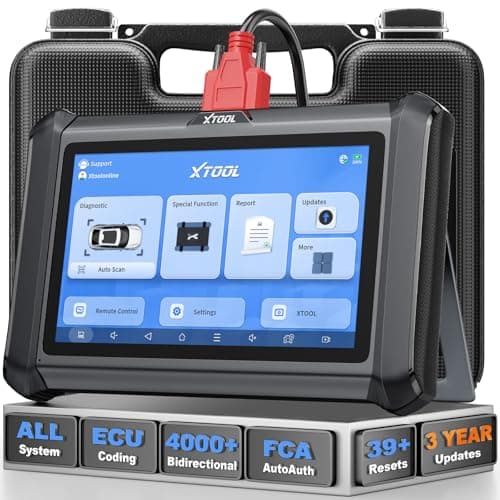
XTOOL D7S: CAN FD for newer GM, crankshaft relearn
 See price on AmazonAmazon
TOPDON ArtiDiag600 Pro: all systems, 9 services
From Best OBD2 scanners for DIY mechanics who fix their own cars